

 Environment
Air inlets, negative pressure, and the ammonia you can smell
Ammonia at bird level is usually an air inlet problem, not a fan problem. How negative pressure works in a poultry house, and how to set inlets correctly.
4 min read
Practical guides to poultry house equipment, written for farms in Bangladesh.
EnvironmentAmmonia at bird level is usually an air inlet problem, not a fan problem. How negative pressure works in a poultry house, and how to set inlets correctly.
 Feeding
Hand feeding costs labour, wastes feed and feeds the flock unevenly. Work out your own payback, then see what a pan line, a chain line and a silo each do.
 Egg collection
Floor eggs are dirty eggs, and collecting them is a full-time job. How a belt-fed nest line changes egg quality, labour and mite control in a breeder house.
 Farm management
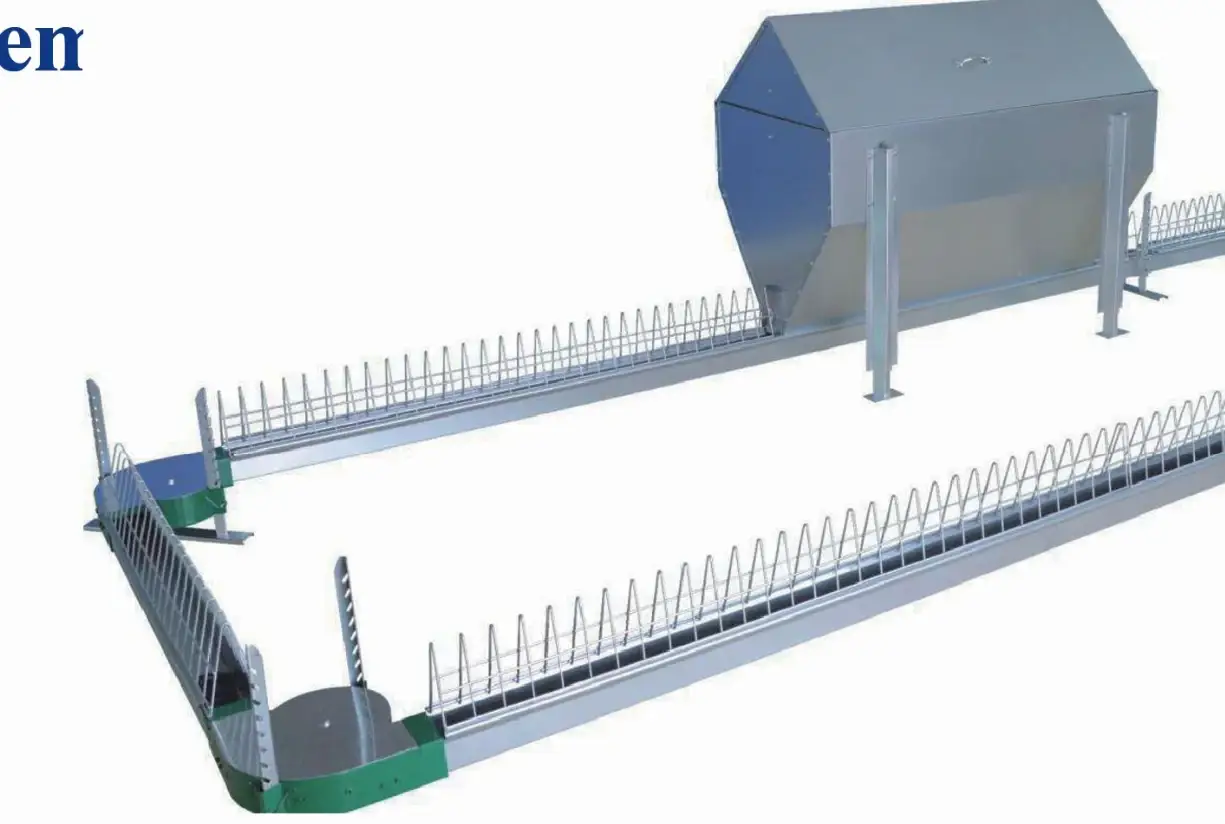
Dry clean, wash, disinfect, dry, rest, in that order, or you are disinfecting dirt. A working sequence for a cage or slat house, and the parts people miss.
 Farm management
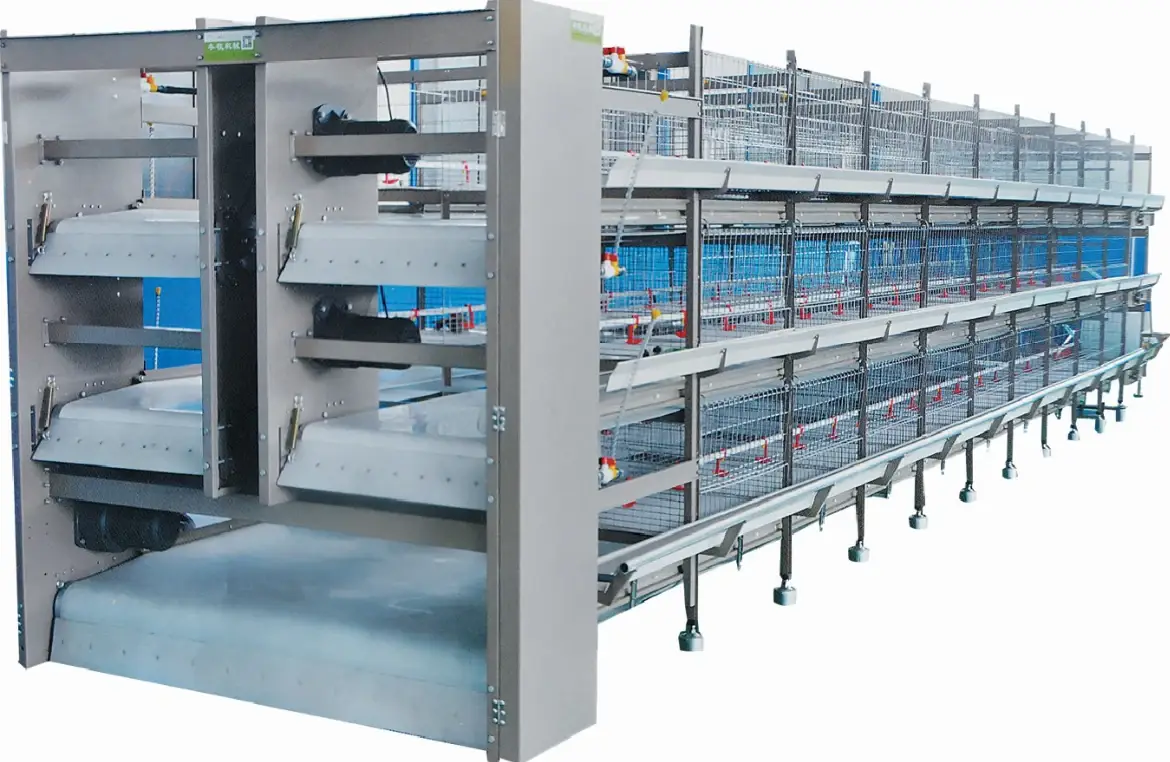
A breeder house is judged on uniformity, fertility and hatching eggs. The equipment that decides those three, and why chain feeding matters so much.
 Caging
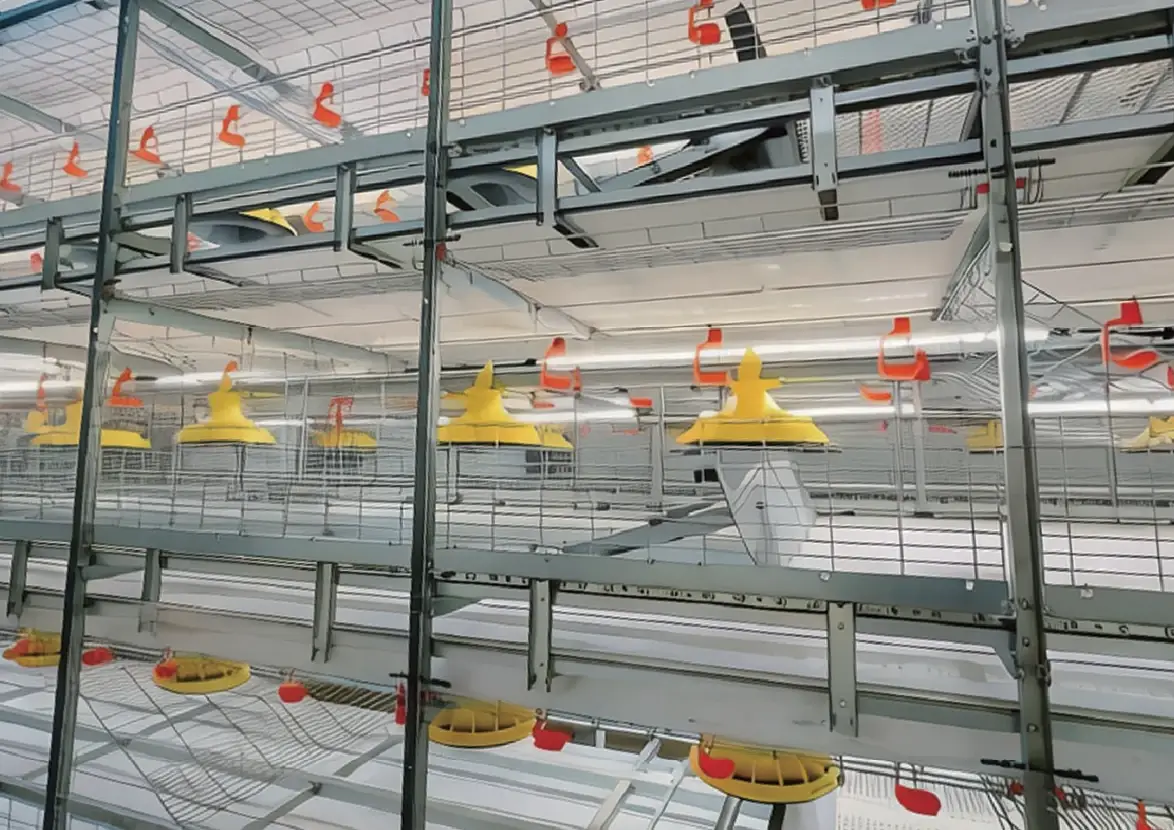
Cages put more broilers in the same shed and take the litter problem away, but they demand more of your ventilation and power. An honest comparison.
 Farm management
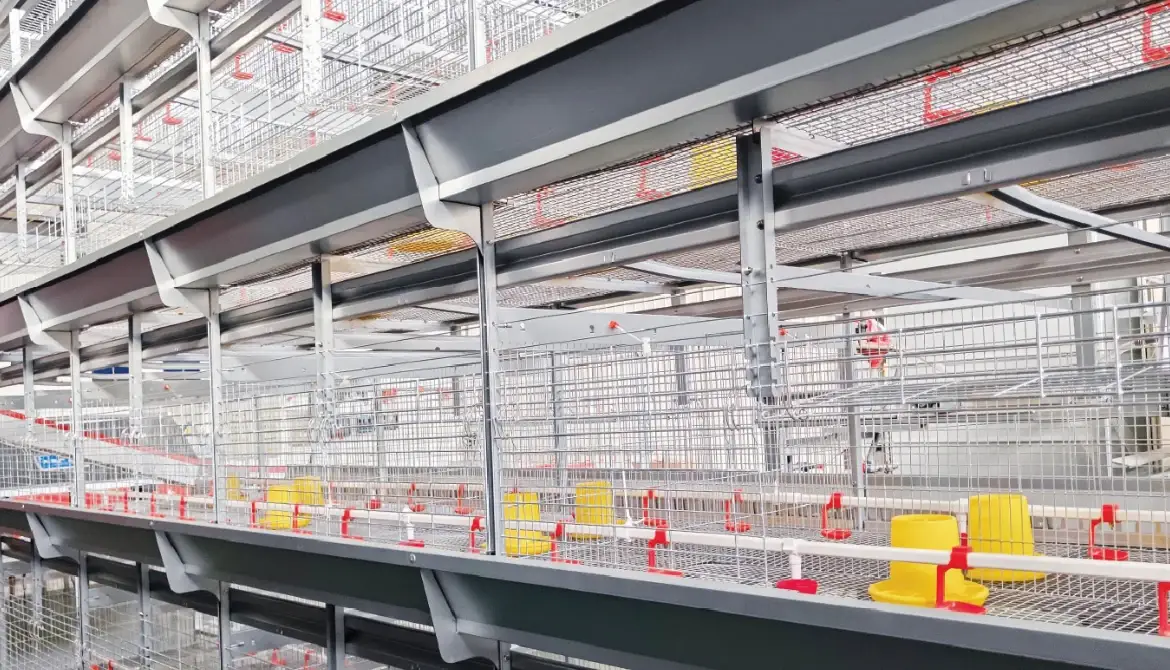
A build-order walk through a small broiler house: shed, power, brooding, feed, water, air, catching and spares, with what to decide before you spend.
 Caging
Chicks that start badly never catch up. Day-one checks, nipple height and temperature in a brooding cage, and what goes wrong in a Bangladeshi winter.
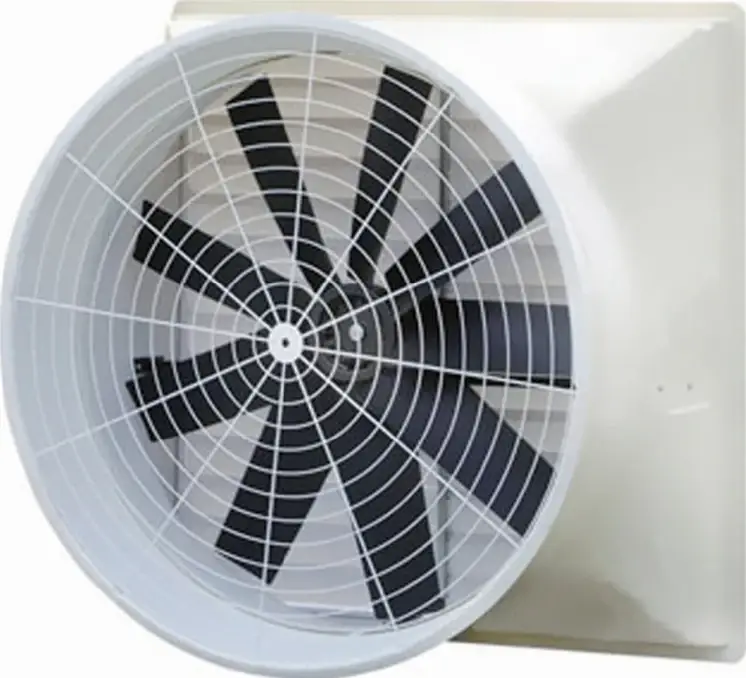 Ventilation
Cone, butterfly, drop hammer or centrifugal shutter: what the air volume figure means, how many fans a house needs, and the voltage question to settle.
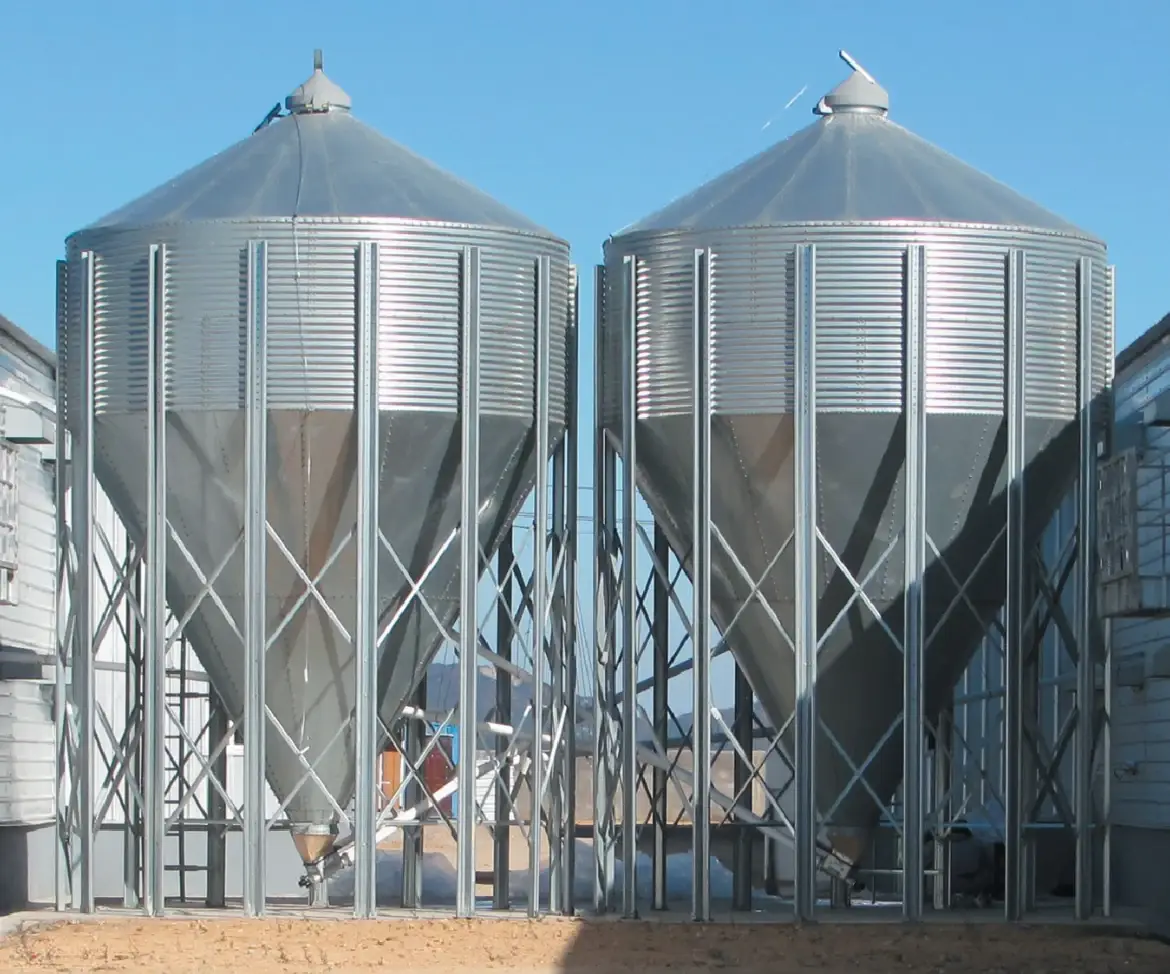 Feeding
Feed is your biggest cost and the easiest to lose in a damp store. What a galvanised silo changes, and how to tell whether bulk delivery pays on your farm.
 Fittings
The failure that costs you birds is never the expensive one. Winch ratings, pulleys, motors and fittings worth keeping on the shelf, and a monthly check.
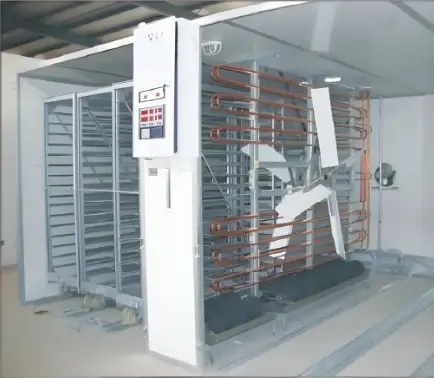 Incubation
The difference is not the cabinet, it is how you load it. What each machine holds, the precision both work to, and which suits a hatchery your size.
 Ventilation
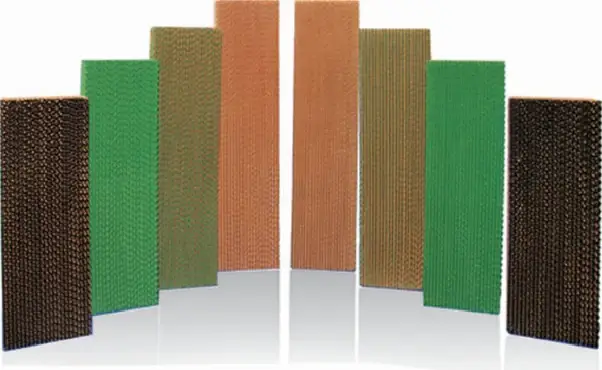
Moving air comes first, cooling pads come second, and humidity decides how much good the pads can do. A practical order of work for April to September.
 Caging
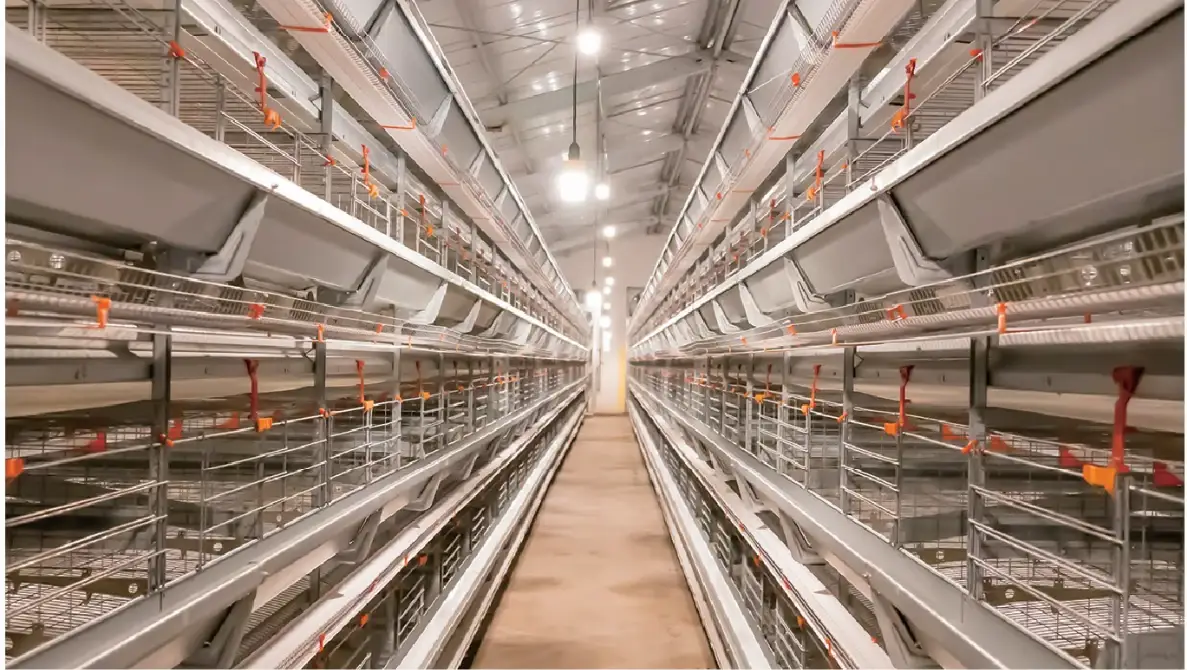
Tier count is decided by your ceiling height and ventilation, not by the birds. How to read the H-type cage table and work out what your shed can hold.
 Farm management
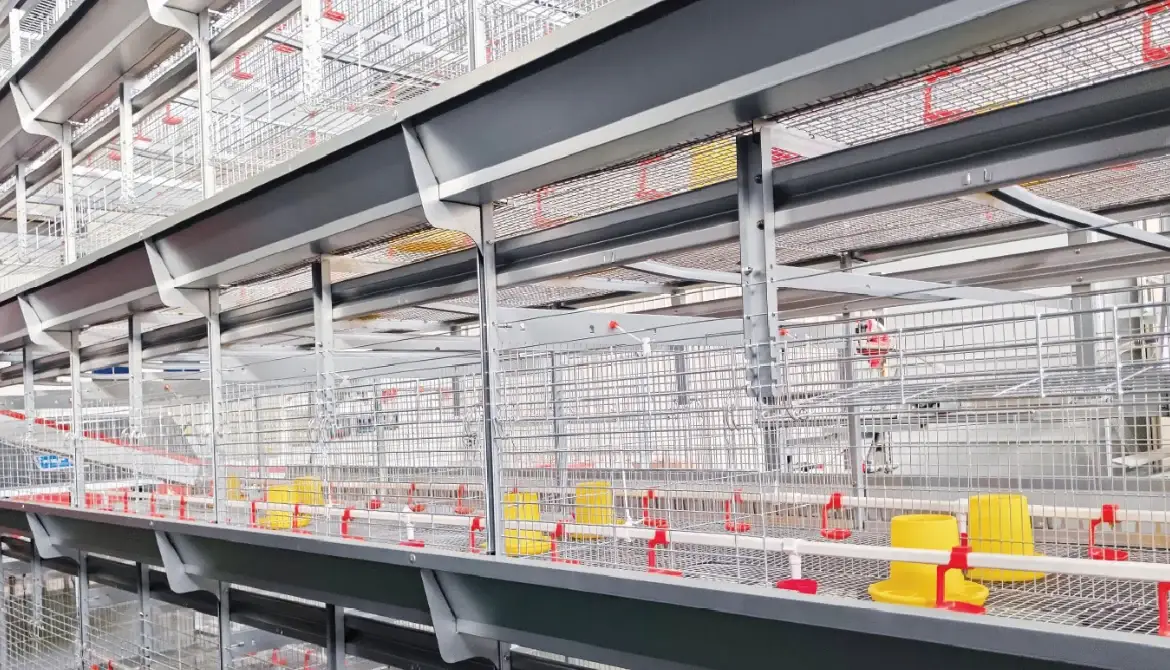
A walk through a layer house in build order: shed, brooding, cages, feed, water, air, light and manure, with what to decide and what gets forgotten.
 Environment
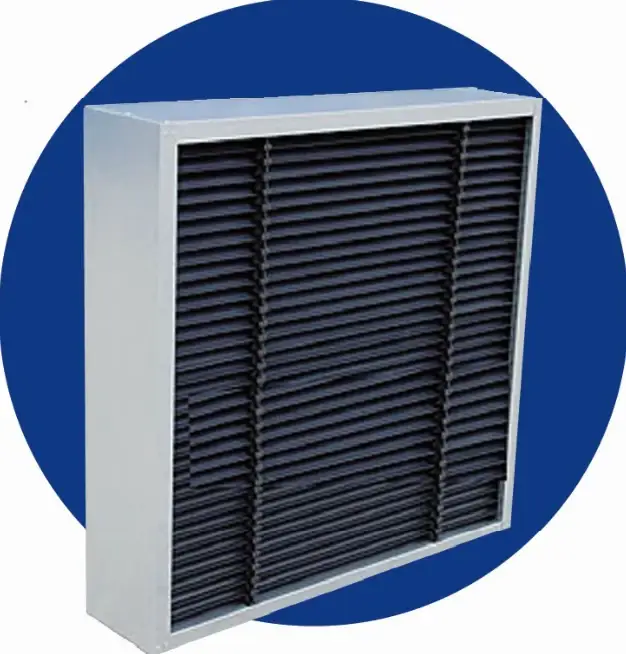
A light programme only works if the house is dark when it says dark. Where daylight leaks in, what a light trap does, and how to light a tall cage house.
 Farm management
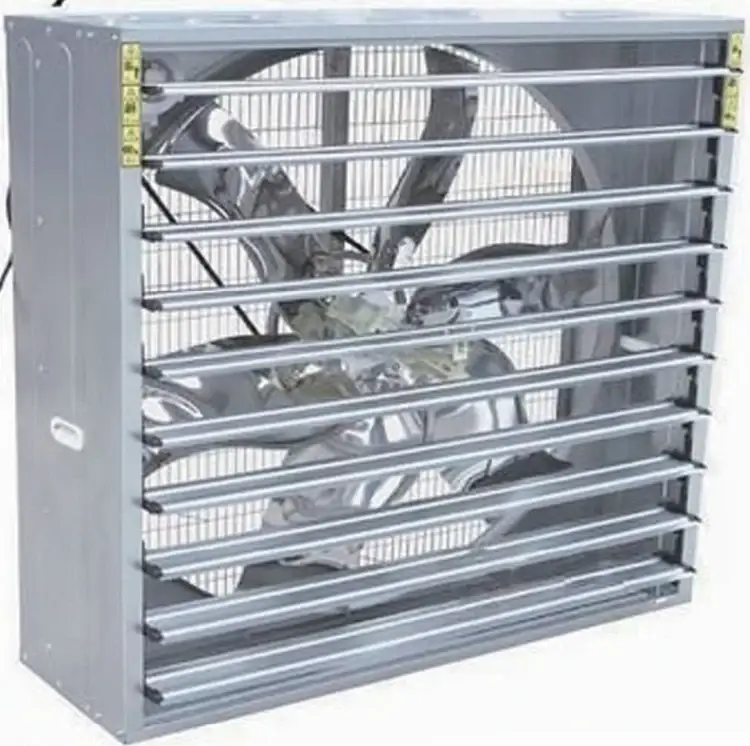
A closed house has no passive cooling. Which circuits must stay up, how to size a generator from your own fan ratings, and the manual fallback to keep.
 Drinking
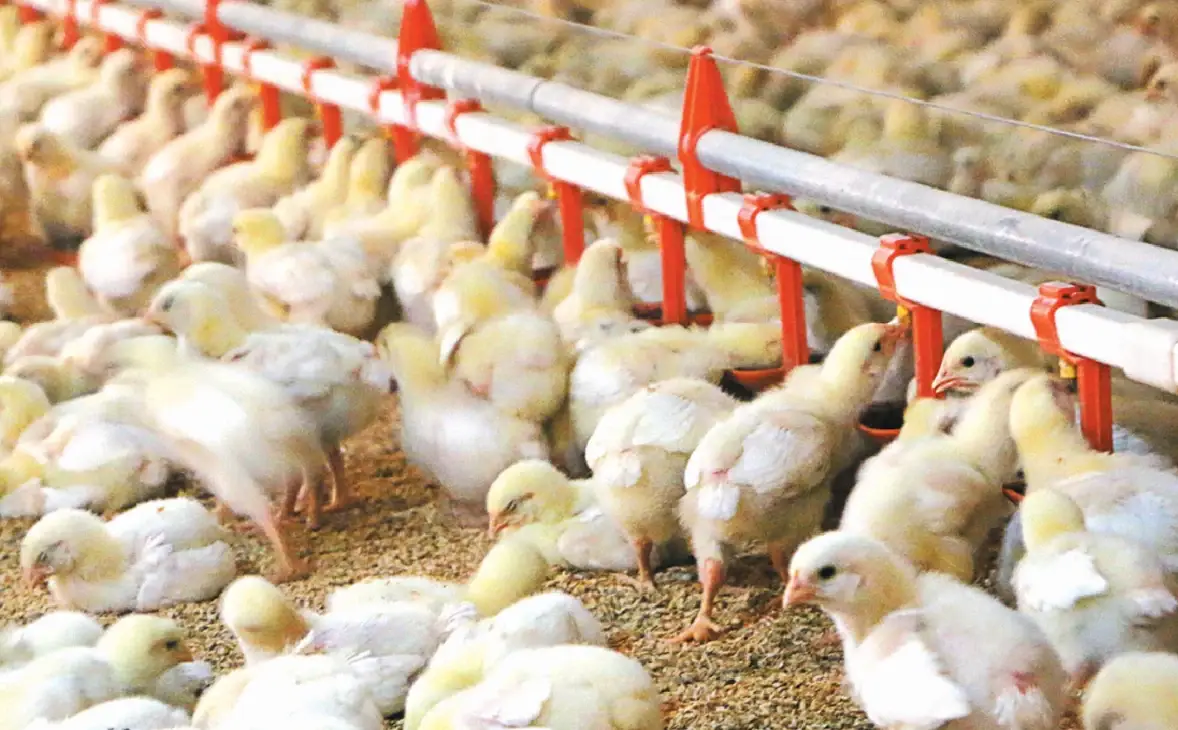
A closed water line puts water in the bird, not on the floor. What a full system contains, how to set height and pressure, and how to survive hard water.
 Fittings
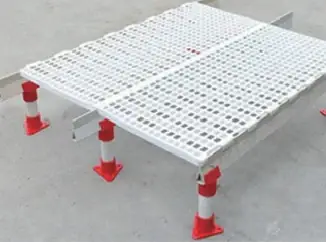
Slats lift birds off their droppings without rebuilding the shed as a cage house. Panel sizes, what they fix, what they do not, and when litter still wins.
 Waste
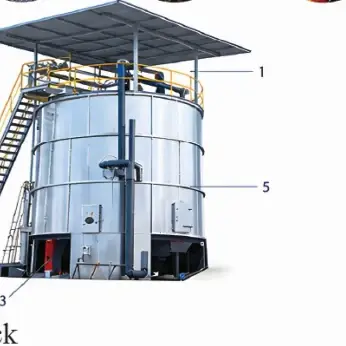
Belts take manure out before it turns into ammonia, and a fermenter tank turns it into organic fertiliser you can sell. How the whole chain works.
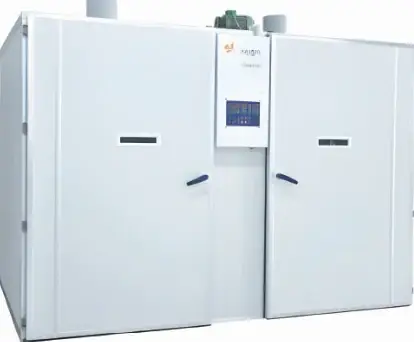 Incubation
Rooms, airflow, power and water decide a hatchery result as much as the incubator does. What to plan before you buy a machine for a small hatchery.
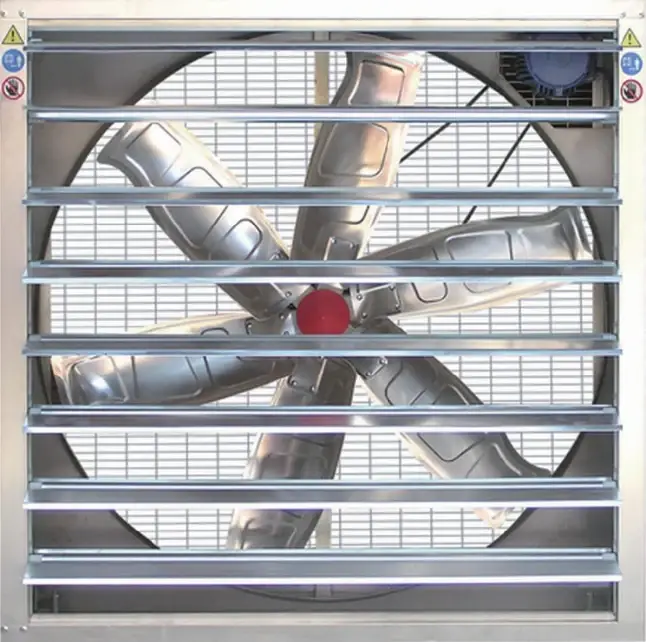 Ventilation
Tunnel mode pulls air the length of the house and over the birds. What it needs to work, when to switch into it, and why a leaky house wastes every fan.
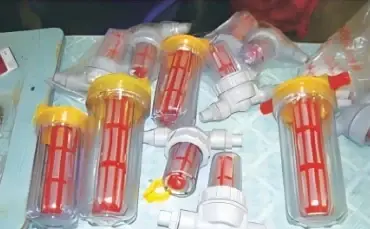 Drinking
Hard water blocks nipples, biofilm blunts your medication, and both are invisible until intake drops. A maintenance routine for farms on tube-well water.
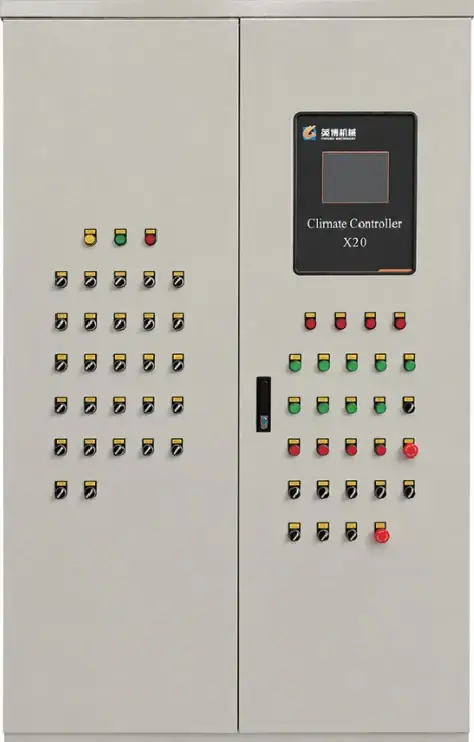 Environment
Three curves (temperature, minimum air volume and light) and the equipment they drive. What a poultry environment controller handles, and what it cannot.
Tell us about your house — the shed size, bird numbers and what you already have — and we will tell you what fits.