
Poultry manure: from a disposal problem to a second income
Belts take manure out before it turns into ammonia, and a fermenter tank turns it into organic fertiliser you can sell. How the whole chain works.
Manure left under the birds does three things, all bad: it gives off ammonia that damages the flock’s airways, it holds moisture that keeps the house damp, and it makes your farm a problem for the people living nearby. Manure that leaves the house every day does none of them — and once it is out, it is a raw material rather than a waste.
Step one: get it out from under the birds
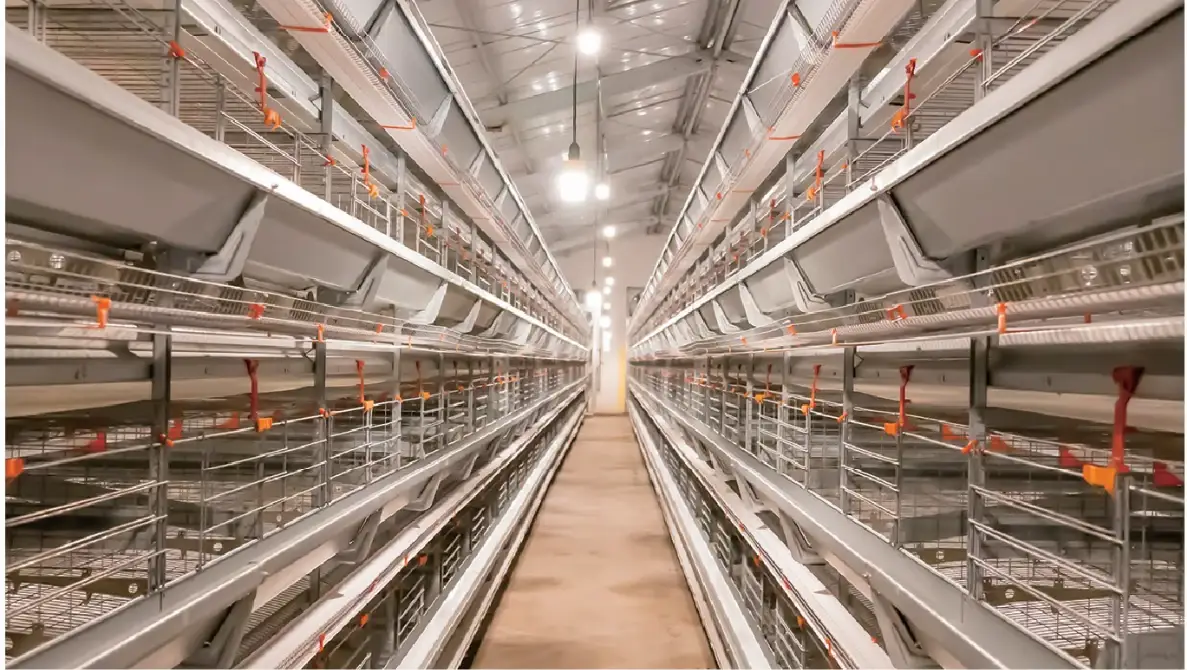
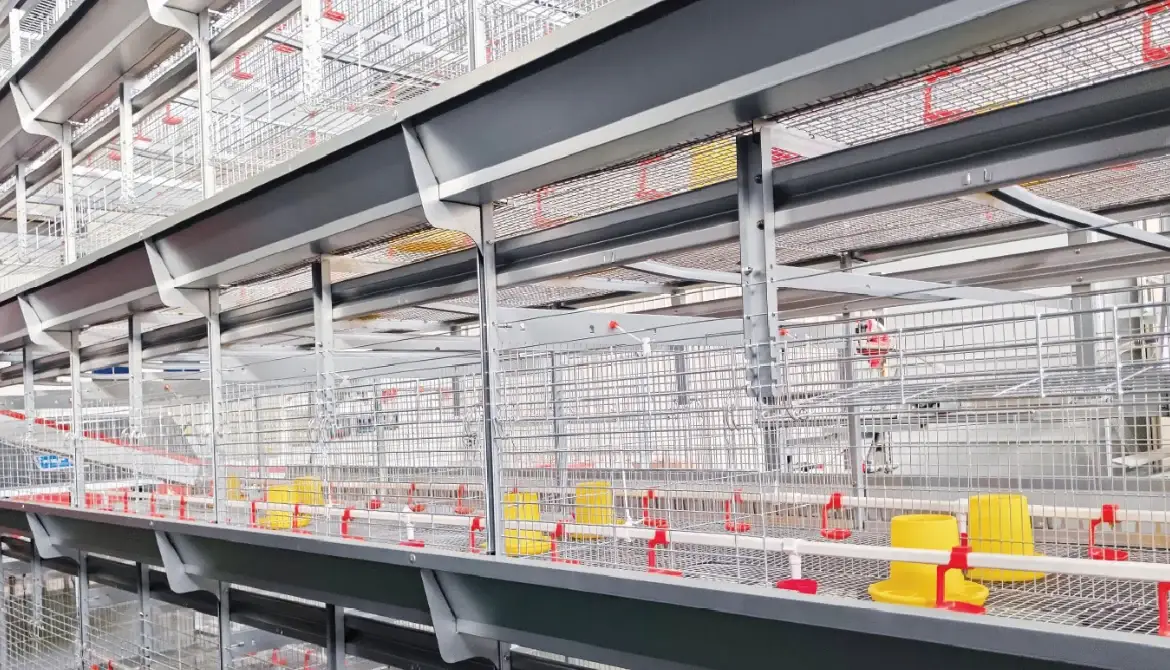
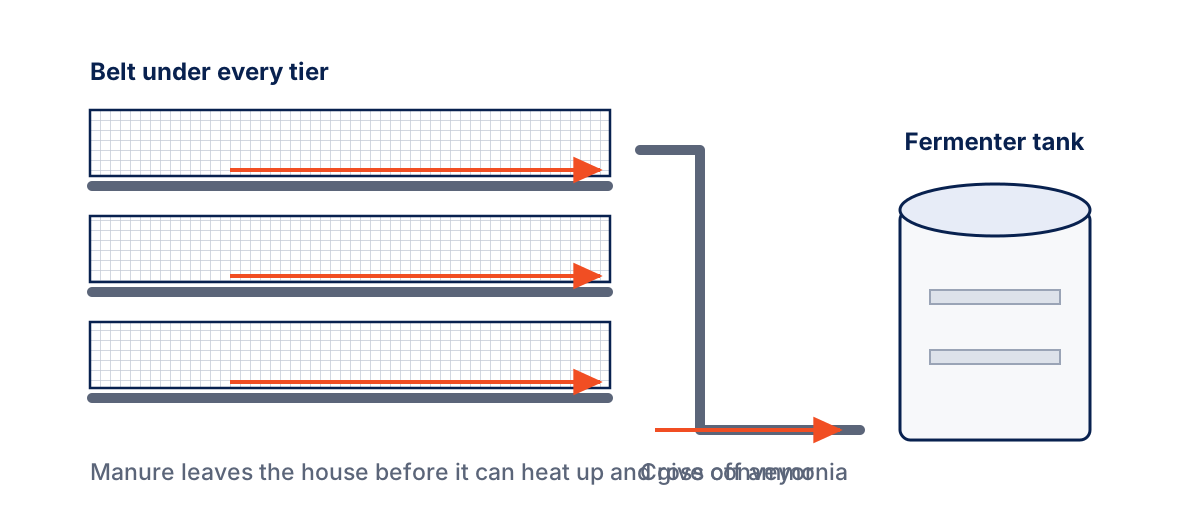
In an H-type layer cage system, a belt runs under every tier. Droppings land on the belt, the belt runs, and the manure leaves the house — daily, before it has time to break down and release ammonia where the birds are breathing. The catalogue is specific that the manure is then granulated, which both reduces pollution and turns the output into something handleable.
Two practical points that decide whether this works in real life:
- Run the belts often enough. A belt run once a week is just a shelf. Daily removal is the point.
- Keep the manure dry. Leaking nipples above a belt make wet manure, and wet manure is what smells and what ferments in the wrong way. Water line maintenance is manure management — the two jobs are the same job.
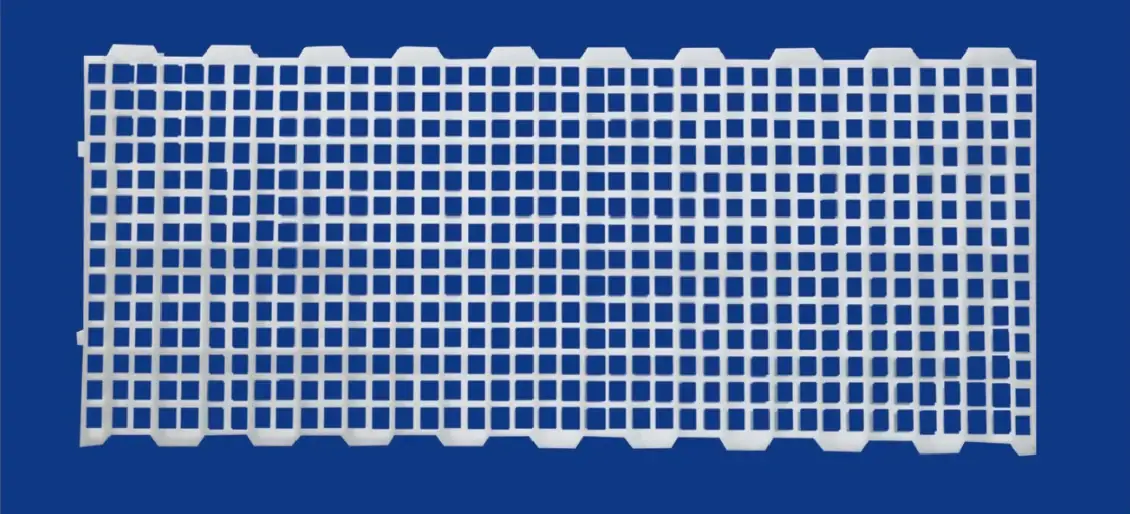
On floor systems, plastic slat flooring achieves part of the same result: droppings pass through the slats, away from the birds’ feet, through leak holes sized so feet are not injured. The panels are 100% raw plastic, wash down easily and do not rot.
Step two: turn it into fertiliser
Raw poultry manure is strong stuff. Put straight onto a field it can burn the crop, and it carries whatever the flock was carrying. Composting fixes that, but open composting is slow, smells, and in the monsoon it turns into a wet mess.
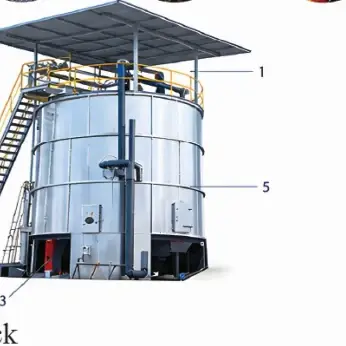
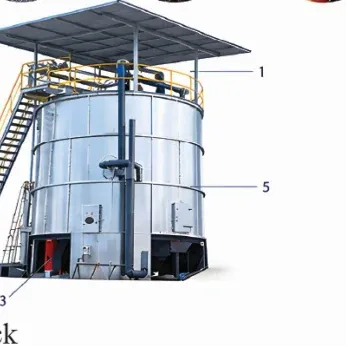
A vertical fermenter tank is the enclosed version of the same process. It is fully sealed, with no gas leakage, and it processes manure and sludge into organic fertiliser at an industrial standard. The range runs from the FJG-5 upward — heating power 4+6 KW, mixing power 7.5 KW, mixing at 3 r/min, 2200 by 2200 by 5300 mm — through the FJG-10 to the FJG-20 at 3700 by 3700 by 8500 mm with 18.5 KW of mixing power.
It is not limited to manure either. The listed uses include agricultural and crop waste, sludge, compost and organic fertiliser production, and food and vegetable waste — so a farm near a vegetable market or a processing unit has more than one feedstock available.
What a fermenter needs from you
Before ordering one, check these honestly:
- Power. Heating and mixing both draw real current. Check your connection and your generator.
- Space and access. The tanks are tall. You need room for the height, a stable base, and a way to load them.
- A steady feedstock. A tank sized for more than your flock produces is money standing still.
- Somebody to run it. Fermentation is a process, not a switch. Moisture content and cycle time have to be managed.
- A buyer. Organic fertiliser is only income if somebody local is buying it. Find that out before you invest, not after.
The regulation and neighbour question
Farms near villages get complaints about smell long before anybody measures anything, and a complaint can end a lease. Daily belt removal plus enclosed fermentation is the pair that keeps a farm on good terms with the people around it. It is worth treating that as part of the return on the equipment, not a soft benefit.
Where to start
If you are building a new layer house, plan belts and a manure store into the layout from day one — retrofitting a manure route into a finished house is always worse and more expensive. If you already have belts running, a fermenter is the next step, and the question is simply whether you have the feedstock volume and a buyer.
Send us your bird numbers, your current manure handling and what you do with the manure now. We will tell you whether a fermenter makes sense at your scale, and which model fits.