
Air inlets, negative pressure, and the ammonia you can smell
Ammonia at bird level is usually an air inlet problem, not a fan problem. How negative pressure works in a poultry house, and how to set inlets correctly.
Walk into your house and crouch to bird level. If your eyes sting there but the air at head height seems fine, you do not have a fan problem. You have an air distribution problem — and the fix is at the inlets, not in another fan.
What negative pressure actually means
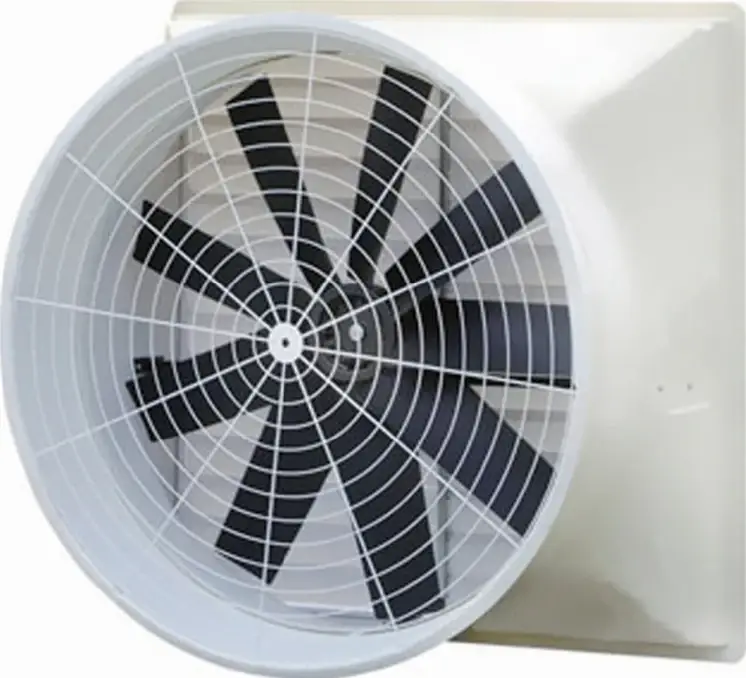
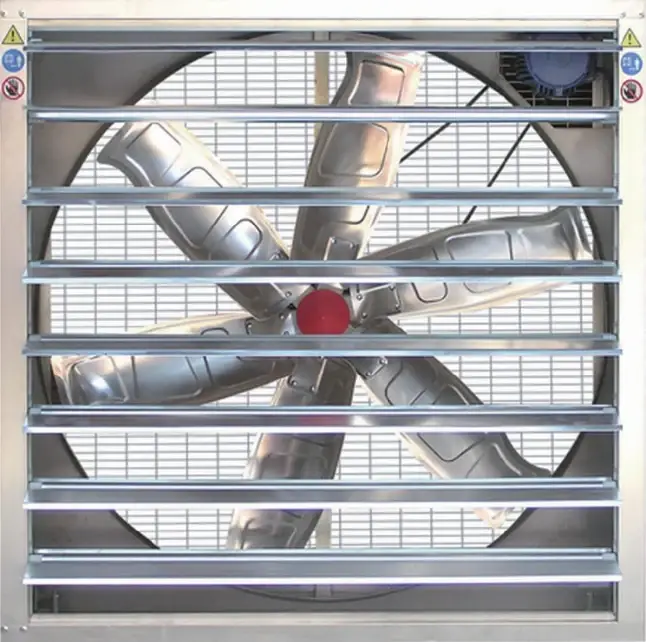
Fans pull air out of the house. That leaves the inside at slightly lower pressure than the outside, and outside air rushes in wherever it can. That pressure difference is your tool: set correctly, it makes air enter through the inlets as a fast jet that shoots along the ceiling, mixes with the warm air up there, and comes down to the birds tempered and spread out.
Set wrongly, or in a house with too many gaps, the same air falls straight onto the birds under the inlet — cold and fast in one spot, stale everywhere else.
Two things ruin it:
- Too much inlet open for the fans running. The jet is slow, it drops immediately, and the far side of the house gets nothing.
- A leaky house. Air comes in through cracks instead of inlets, so no jet forms at all. This is why sealing a house is worth more than adding a fan.
Why this matters more in cool weather
In hot weather everything is open and air is moving fast. The trouble comes in the cool months, when the instinct is to shut the house to keep birds warm.
Close it too far and three things build up: moisture from droppings and drinkers, carbon dioxide from the birds, and ammonia from the litter or manure belt. Ammonia damages the lining of a bird’s airway, and a damaged airway means a flock that takes every respiratory challenge harder for the rest of the cycle.
Minimum ventilation exists to prevent exactly that — enough air exchange to carry moisture and ammonia away, delivered through inlets so it does not chill the birds on the way in. In a Bangladeshi December, that balance is the whole job.
What a proper inlet does
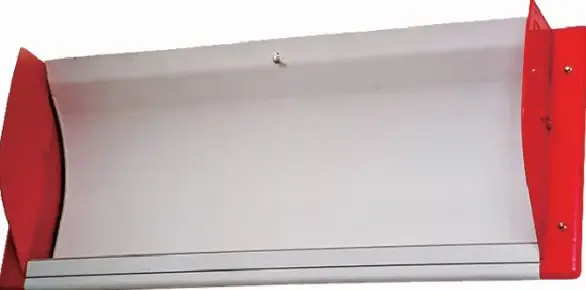
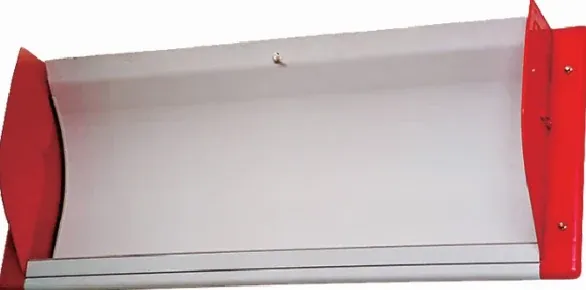
An air inlet is a small machine, not a hole. Ours is high-grade engineering plastic with a tight seal when closed and a flexible opening, backed by 20 mm of polystyrene insulation in the flap and protective netting outside. The standard unit is 600 mm wide, 320 mm high and 160 mm thick, with three hole sizes available and custom sizes on request.
The insulation matters in winter: an uninsulated flap sweats, and water running down the wall inside a poultry house is a problem you do not need.
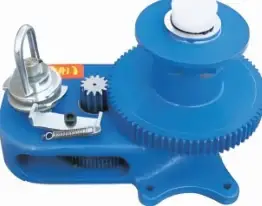
They are opened and closed together on a winch and cable system — the same family of winches used on feed and drinking lines, with a dedicated 660 lb air-inlet winch. One adjustment moves the whole row, which is the only way a row of inlets ever stays matched.
Setting them, in practice
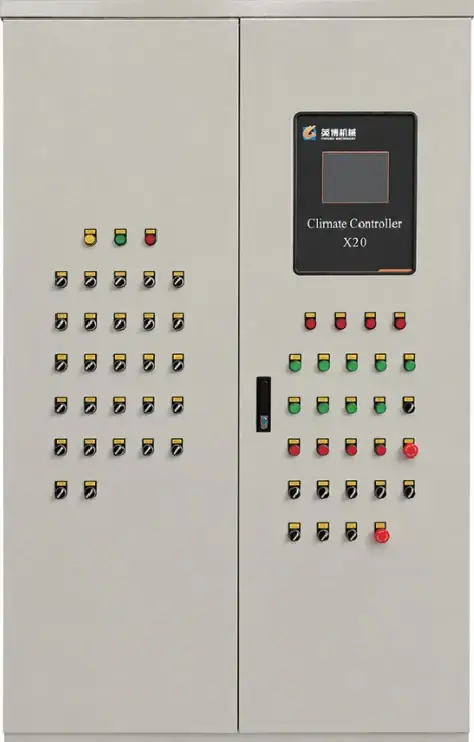
- Match opening to the fans that are running. Fewer fans, less inlet. The environment controller does this continuously as part of the minimum air volume curve — by hand, nobody keeps up.
- Check the jet. Hold a light strip or a smoke source at the inlet. The air should run along the ceiling, not dive at the birds.
- Walk the far end. If the house is uneven, the far end tells you first.
- Close what you are not using. An inlet left half-open in a row is a short circuit for the whole row.
- Do the smell test daily, at bird level, at the far end. It is the cheapest diagnostic you own.
When the answer is not the inlets
Sometimes the ammonia is a water problem, not an air problem. A leaking nipple line wets the litter or the manure belt under it, and no amount of ventilation dries that faster than it is being wet. Check for drips before you touch a fan setting — what wet litter really costs you covers the maintenance side.
Tell us your house dimensions, fan capacity and how many inlets you have now, and we will tell you whether the inlet area matches the fans or whether that is where your air is being lost.