
What an environment controller actually does in a poultry house
Three curves (temperature, minimum air volume and light) and the equipment they drive. What a poultry environment controller handles, and what it cannot.
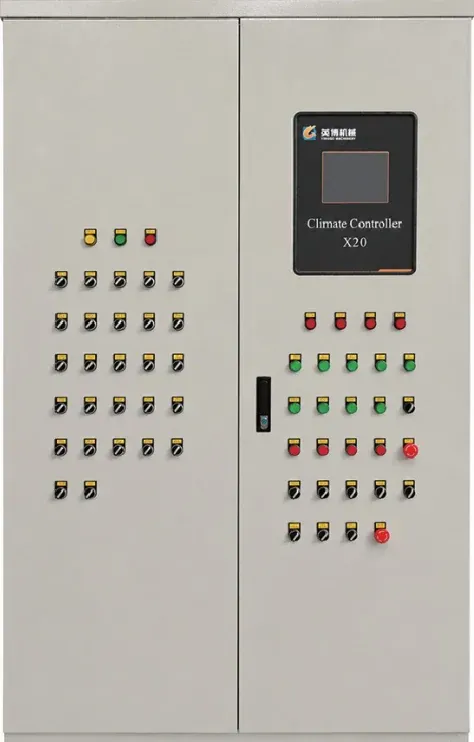
A controller is not a thermostat with extra buttons. It runs the house against three curves that change as the flock ages — temperature, minimum air volume and light — and it switches the equipment needed to hold them, at four in the morning as carefully as at two in the afternoon.
The three curves
Temperature curve. Birds need it warm on day one and cooler as they feather and grow. The curve steps the target down day by day. Set it once at placement and it follows the flock rather than waiting for somebody to remember.
Minimum air volume curve. The least air the house needs for the birds in it, whatever the temperature is doing. This is the setting that prevents ammonia and damp in cool weather, when the temptation is to close everything up. It rises as the birds grow, because bigger birds breathe more and produce more moisture.
Light curve. Hours and intensity through the cycle. In layers and breeders this drives production directly, which is why it belongs to the controller and not to whoever walks past the switch.
What it switches
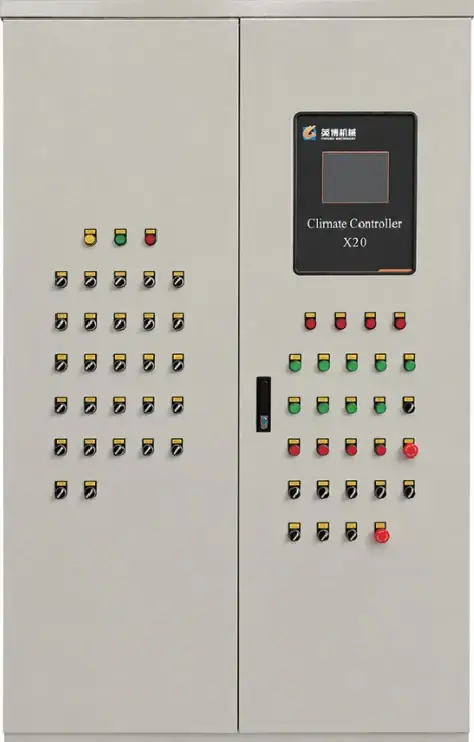
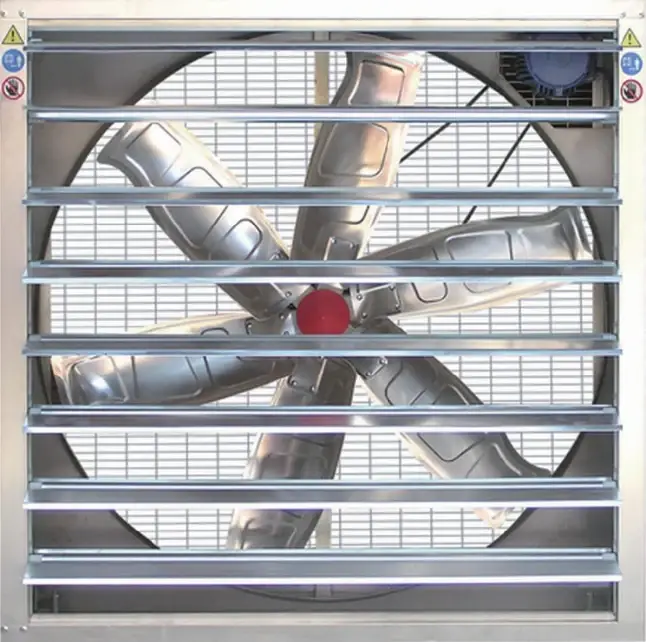
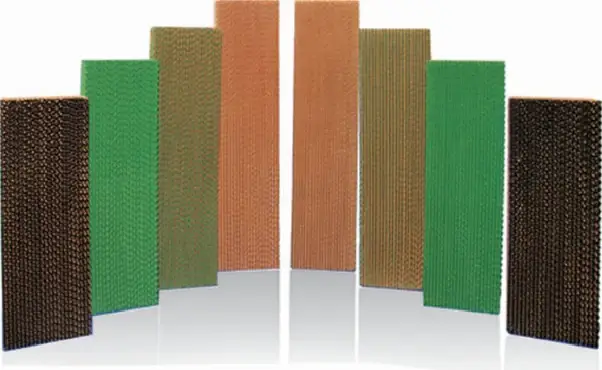
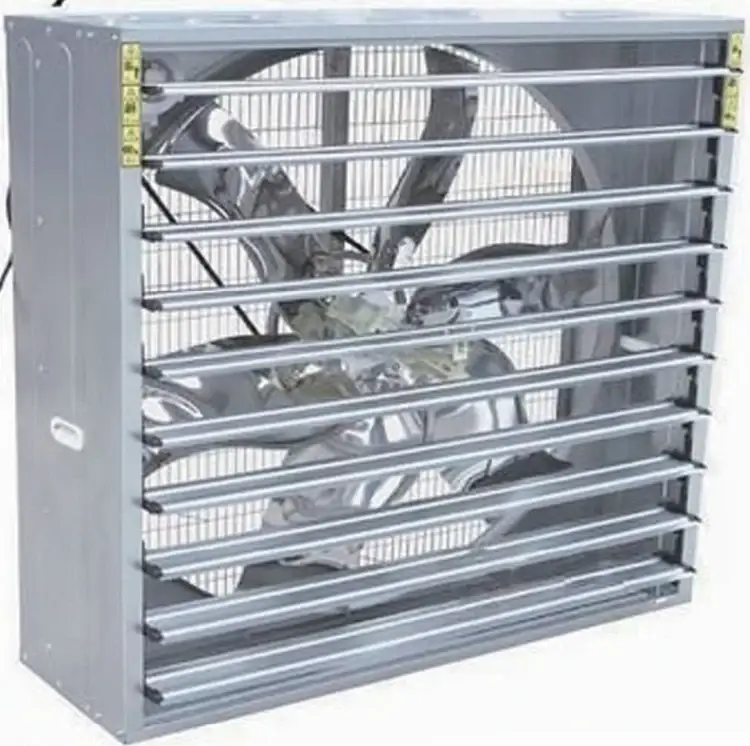
The environment controller drives the whole house: exhaust fans, heater stoves, curtains, cooling pads, lighting and feeding lines. It handles crosswise and lengthwise ventilation automatically — which means it makes the switch between minimum ventilation and tunnel mode for you, on conditions rather than on a guess.
It also reports: real-time monitoring and management from a phone. That is worth more than it sounds. Most serious house failures happen when nobody is standing in the house.
What it does not do
Be clear about the limits before you buy one:
- It does not fix a badly sealed house. If air enters through gaps, the controller is commanding one thing and the building is doing another. Sealing first — see air inlets and negative pressure.
- It does not replace walking the house. The controller knows what its sensors know. It cannot see a blocked nipple, a dead bird in a top tier, or feed that has bridged in a hopper.
- It does not run without power. In a cut, the controller stops with everything else. Backup planning is a separate job: keeping a closed house alive without the grid.
- It does not correct bad settings. A curve entered wrong is followed precisely, all night.
Sensors decide whether any of it is true
The controller only knows what its sensors tell it, so where they sit is as important as what you paid for the box:
- At bird level, not at the ceiling and not at the door.
- Away from direct airflow from an inlet, and away from a heater.
- More than one, spread along a long house. One sensor in a 100 ft house describes one spot.
- Cleaned. Dust on a sensor is a slow, silent drift.
Check a sensor against a handheld thermometer every few weeks. If they disagree, believe the handheld.
Alarms are the point
The feature that pays for the controller is the one you hope never fires. Set alarms for high and low temperature, and make sure they reach a phone that is switched on at night. Then test them — actually trigger one — before you rely on them. An alarm nobody has tested is a comfort, not a safeguard.
Settings discipline
- Write down the curves you use for each flock type, and keep them with the house records.
- Change one thing at a time, and note the date.
- After a power cut, check the clock and the light programme. A controller that came back on with the wrong time runs the wrong light day.
- Do not let three people set it. One person owns the settings.
Send us your house size, bird type and the equipment you already have, and we will tell you what the controller needs to drive and how the sensors should be laid out.