
Equipment checklist for a 2,000-bird broiler house
A build-order walk through a small broiler house: shed, power, brooding, feed, water, air, catching and spares, with what to decide before you spend.
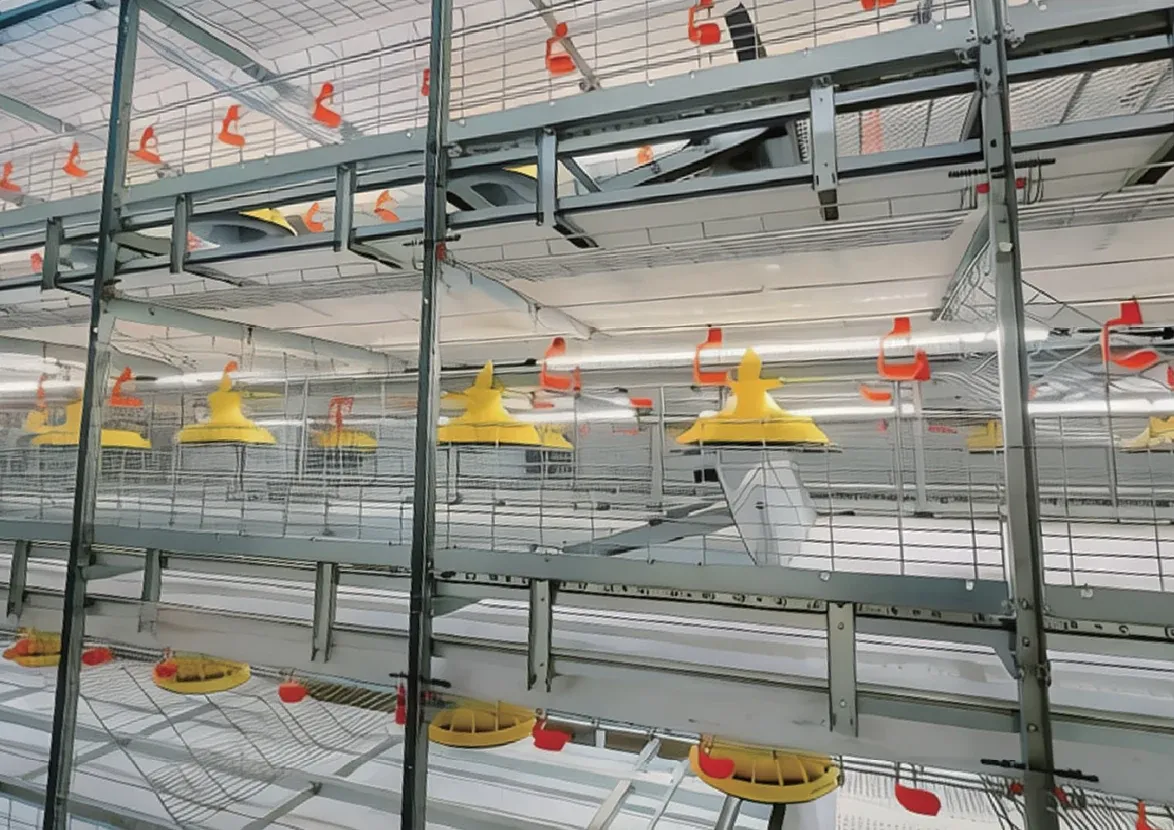
Two thousand birds is the size where equipment starts to pay and where a wrong decision is still affordable to fix. This is the order we would work in, and the question to answer at each step before any money is spent.
1. The shed
Measure before you shop. Internal length and width, height to the lowest beam, and whether the building can be sealed. Those three numbers decide your rearing system, your fan count and whether tunnel ventilation is even possible.
Also decide, honestly, whether the shed is open-sided or closed. An open house is cheaper and survives a power cut; a closed house performs better and depends on electricity absolutely.
2. Power
Every automated part of the house runs on it, and most of our fan range is 380 V three-phase. Confirm your supply, then work out what a generator must carry in the worst case. The method — including sizing from the fan motor ratings themselves — is in keeping a closed house alive without the grid.
3. Floor or cage
The decision that shapes everything else.
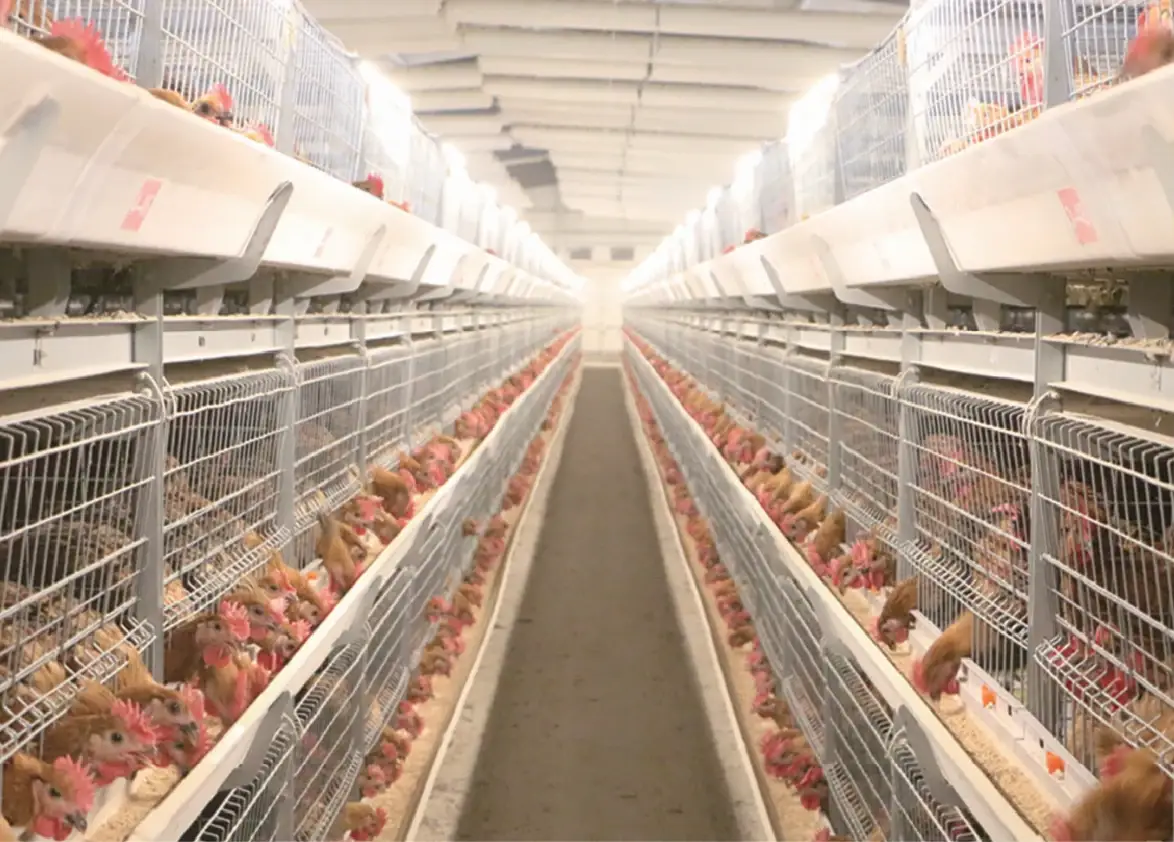
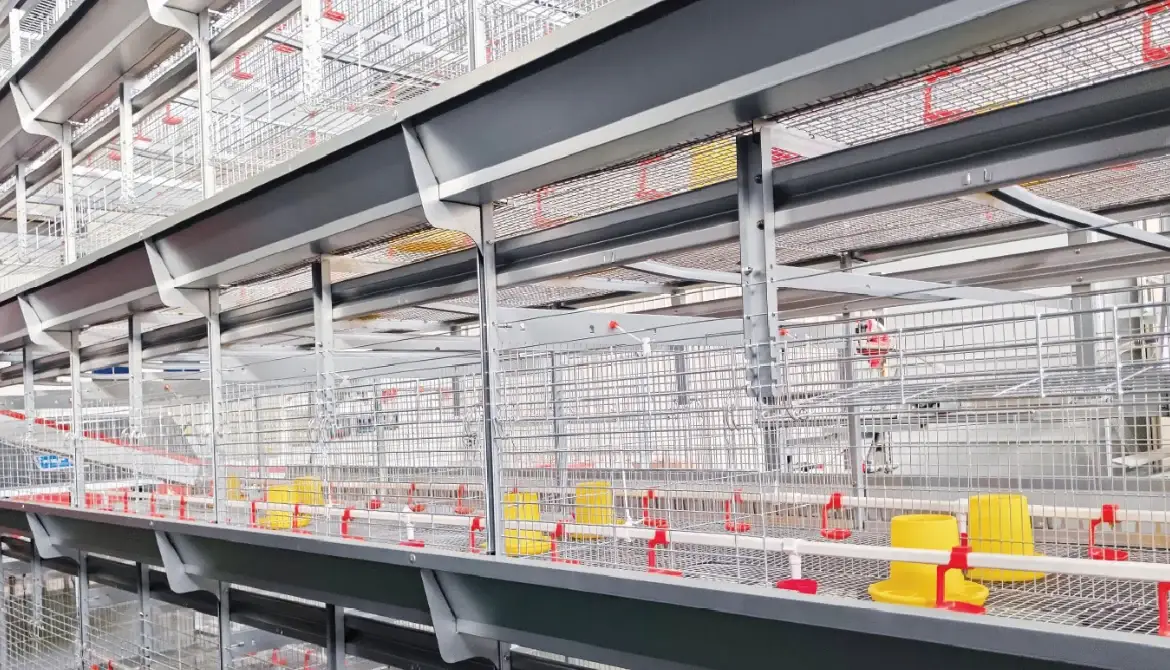
- Single-row manual harvesting broiler cage — 3 or 4 tiers, 25 birds per cell, double portal access. The easiest first cage house to work in.
- Double-row manual harvesting broiler cage — tighter footprint, 19 birds per cell, fully welded galvanised, sealed rear feed machine.
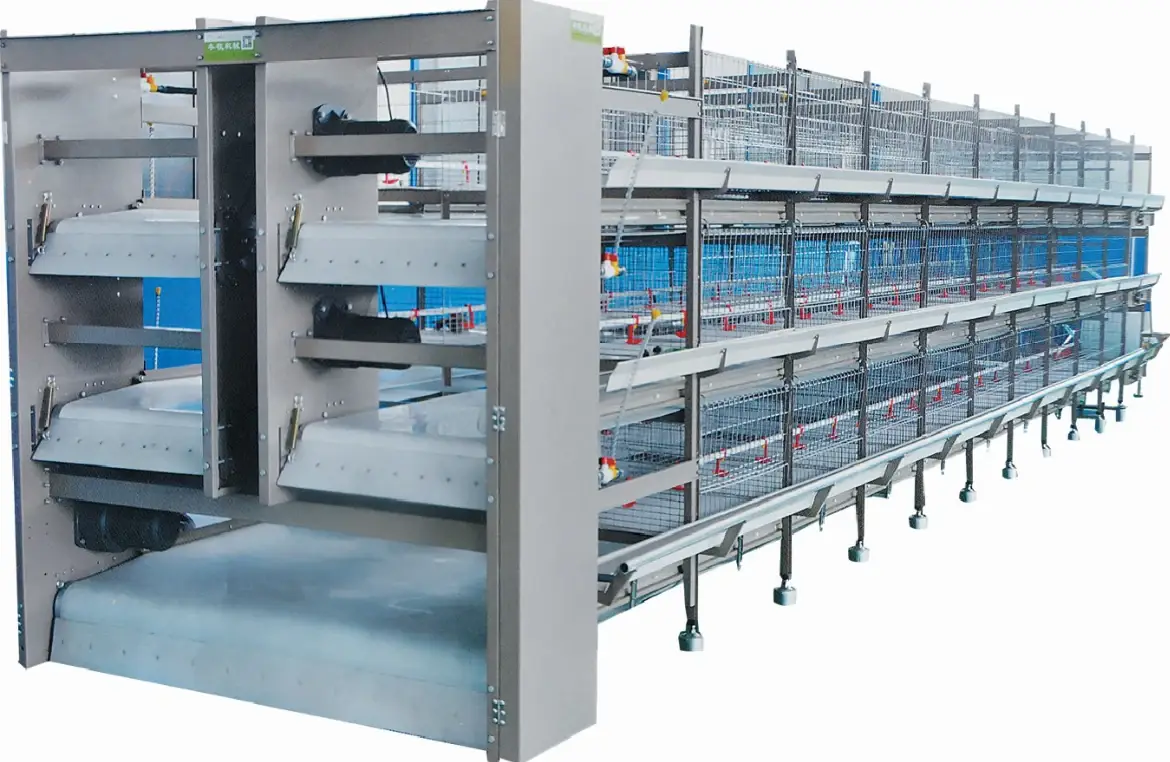
- Automatic harvesting broiler cage — birds transported out of the house by the system, daily manure removal, survival rates up to 99.8%.
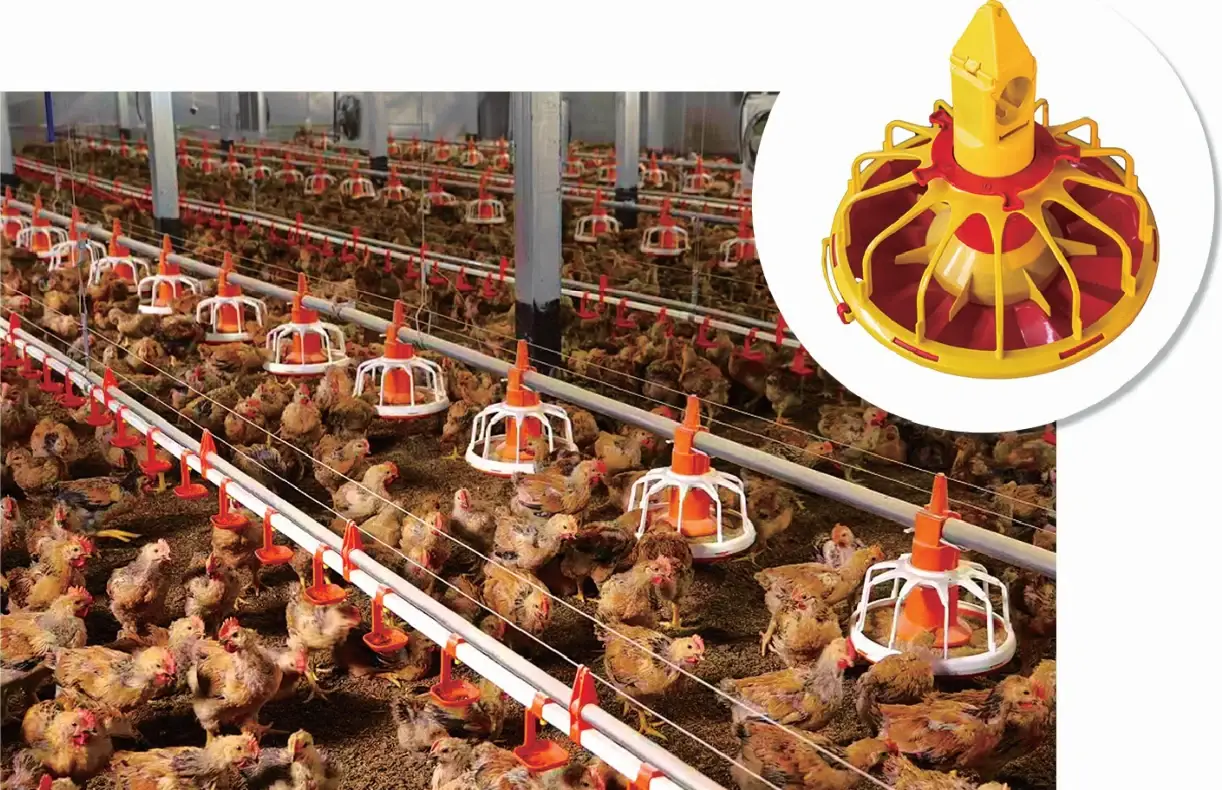
- Floor rearing, with plastic slat flooring over the wet areas if you want drier birds without rebuilding.
The trade-offs in full: broiler cages or floor rearing, and for slats specifically, plastic slat floor or deep litter.
4. Brooding
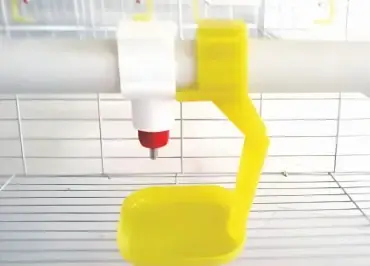
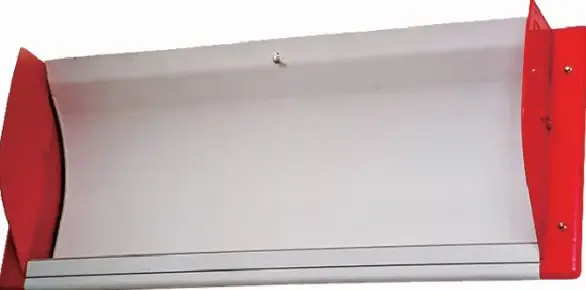
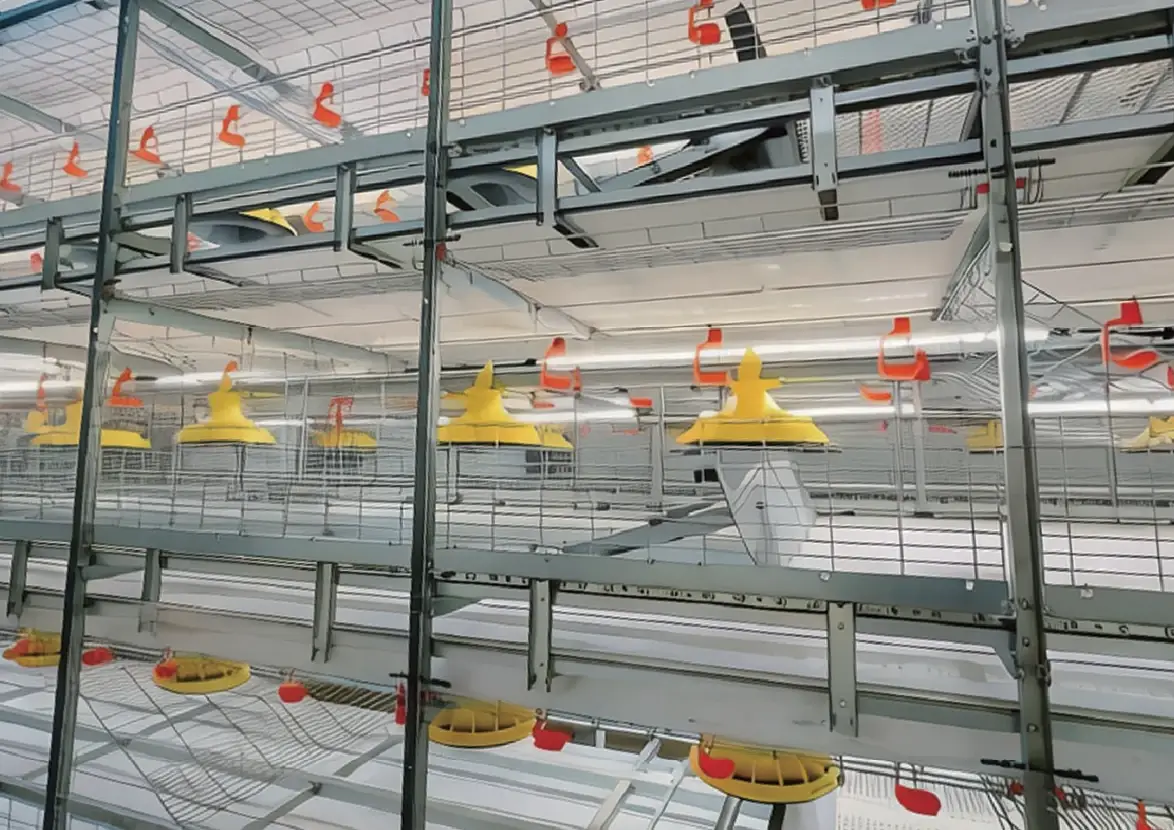
The first two weeks decide the batch. Plan a brooding area you can heat and watch closely, with feeders and drinkers a day-old chick will find: chick hoppers and drinking cups exist for exactly this. The practical detail is in what the first two weeks decide.
5. Feed
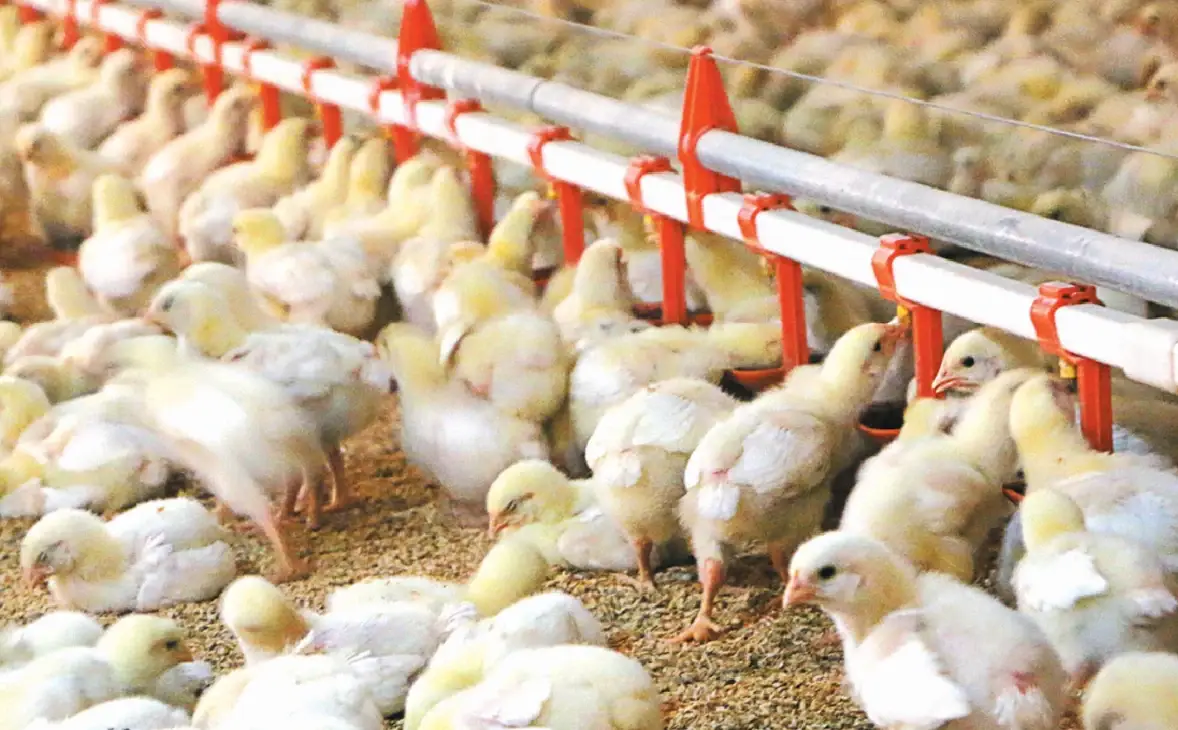
A pan feeding line with sensor-controlled filling, a 450 kg/h auger and pans that lift clear for cleaning. At 2,000 birds the labour case is real but not automatic — run the arithmetic in when an automatic feeding line pays for itself.
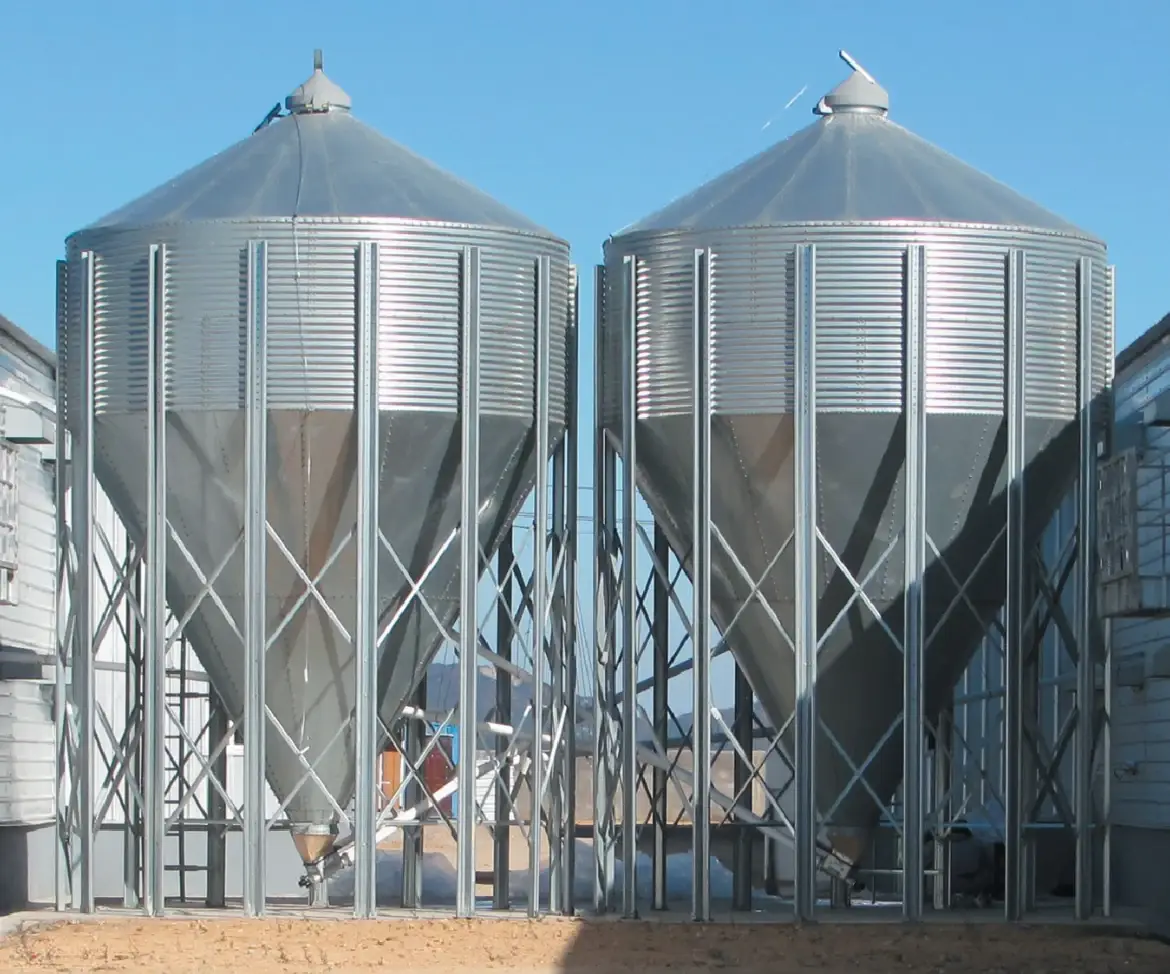
Feed storage is a separate decision: a galvanised silo if bulk delivery reaches you, a dry raised store if not. Either way, keep feed out of the monsoon — what the monsoon and the rats cost you.
6. Water
An automatic nipple drinking system: filter, meter, doser, regulator, nipples with drip cups. The doser runs on water pressure with no electricity. Set line height for the birds in front of you and check it weekly — what wet litter really costs you, and for tube-well farms, scale and biofilm.
7. Air
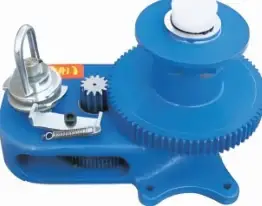
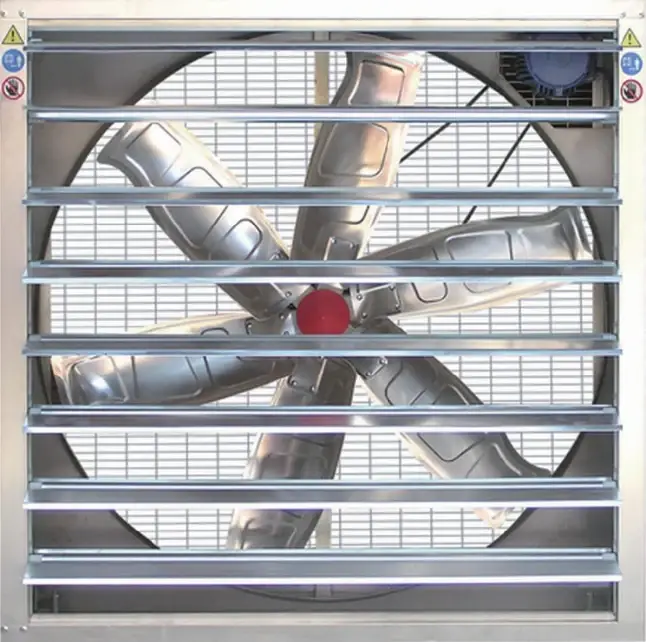
Fans first: drop hammer exhaust fans cover 22,000 to 52,000 m³/h across six sizes, so the wall can be sized to the house. Air inlets decide where air enters and are what fixes ammonia at bird level. Sizing method: choosing an exhaust fan and tunnel ventilation explained.
8. Cooling
Evaporative cooling pads for the hot dry weeks, with realistic expectations in humidity — keeping a house cool through a Bangladeshi summer.
9. Control
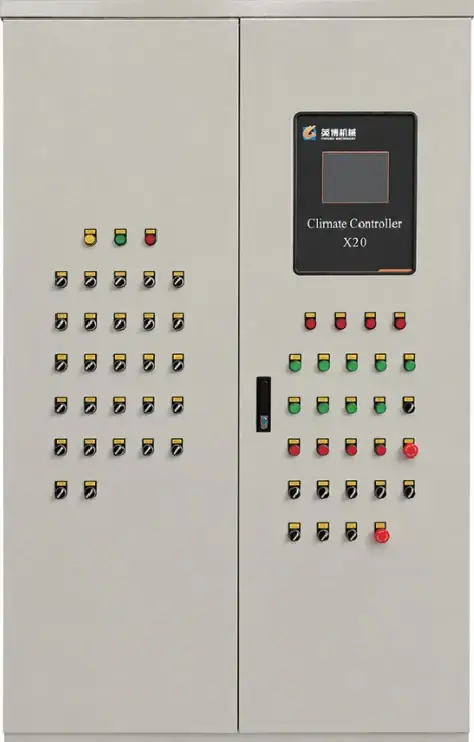
An environment controller running the temperature and minimum air volume curves, switching fans, heaters, curtains, pads and the feed line, with alarms to a phone. On a closed house this is not optional: what a controller actually does.
10. Catching day
Plan it before the first batch, not on the night. Who catches, how birds leave the house, where the vehicle stands, and what lighting you have. In a cage house this is a tier-by-tier operation; in an automatic harvesting system the equipment does it.
11. Litter or manure out
Decide the route out of the house and where it goes on the farm. If you are running belts or slats, the manure leaves daily or weekly rather than at the end of the batch — turning manure into a second income.
12. Spares
One fan motor, nipples and drip cups, a regulator, filter cartridges, pulleys, cable and U-bolts, feeder pans. The full list and the monthly check: the spare parts that keep a line running.
13. The empty week
Build the between-batch clean into your schedule before you book the next chicks — cleaning between batches.
What to send us
Shed length, width and height to the lowest beam. Bird numbers. Open or closed house. Power supply and generator. How feed reaches your farm. With those we will specify the whole house as one system and tell you plainly which parts you do not need yet.