
The spare parts that keep a feeding and drinking line running
The failure that costs you birds is never the expensive one. Winch ratings, pulleys, motors and fittings worth keeping on the shelf, and a monthly check.
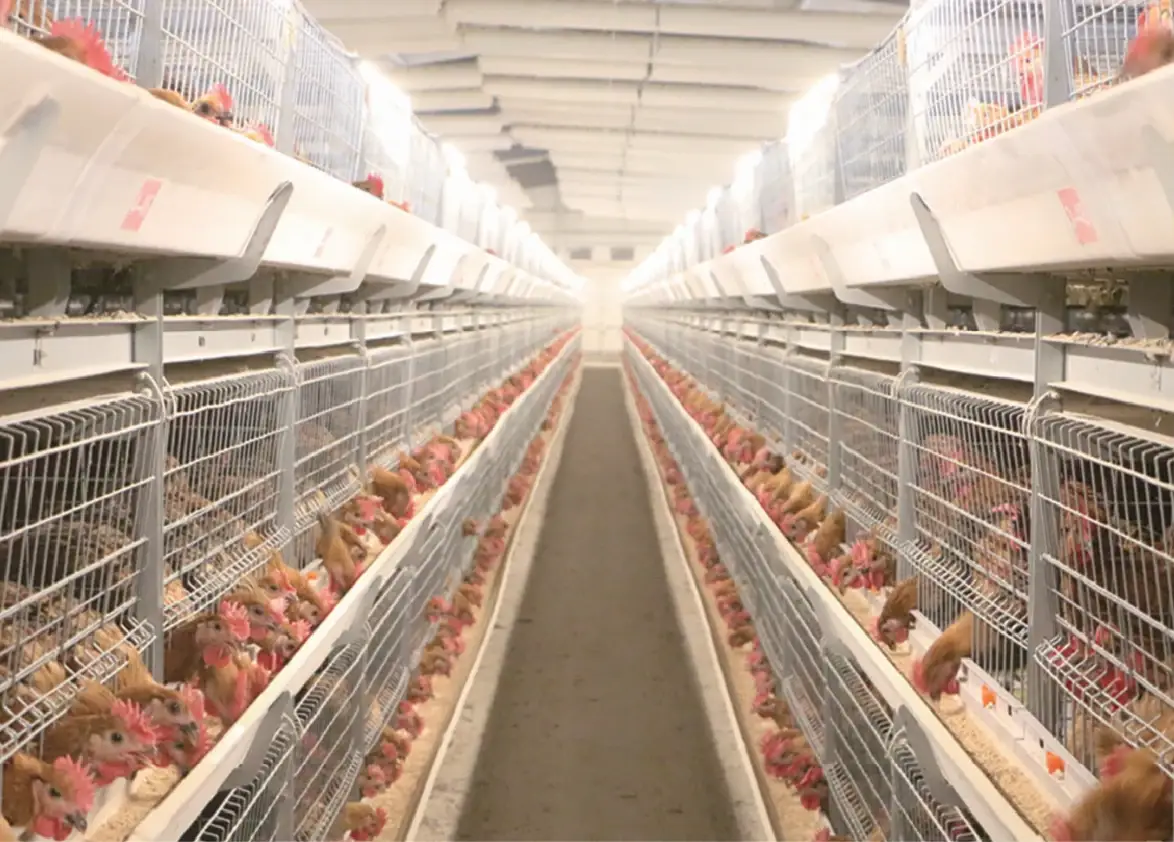
A feed line does not usually fail at the motor. It fails at a seized pulley, a worn cable, a bent drop iron or a U-bolt nobody tightened after the last clean. Small parts, all of them — and every one of them stops feed reaching birds just as completely as a burnt-out motor would.
Know what is holding your lines up
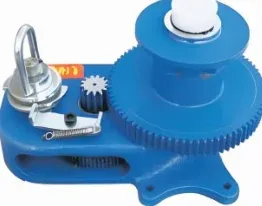
The winch, pulley and parts range is rated by load, and matching the rating to the job is the whole point:
| Part | Rating |
|---|---|
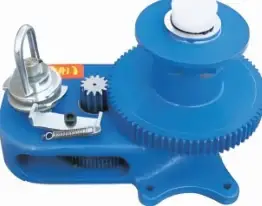
| Winch, feeding line | 3500 lbs and 3000 lbs |
| Winch, drinking line | 1500 lbs |
| Winch, air inlet | 660 lbs (300 kg), ratio 5:1 |
| Pulleys | Cast iron 3-1/2 inch; nylon 1-1/2 inch and 7/8 inch |
| U-bolts | 45 mm to 100 mm |
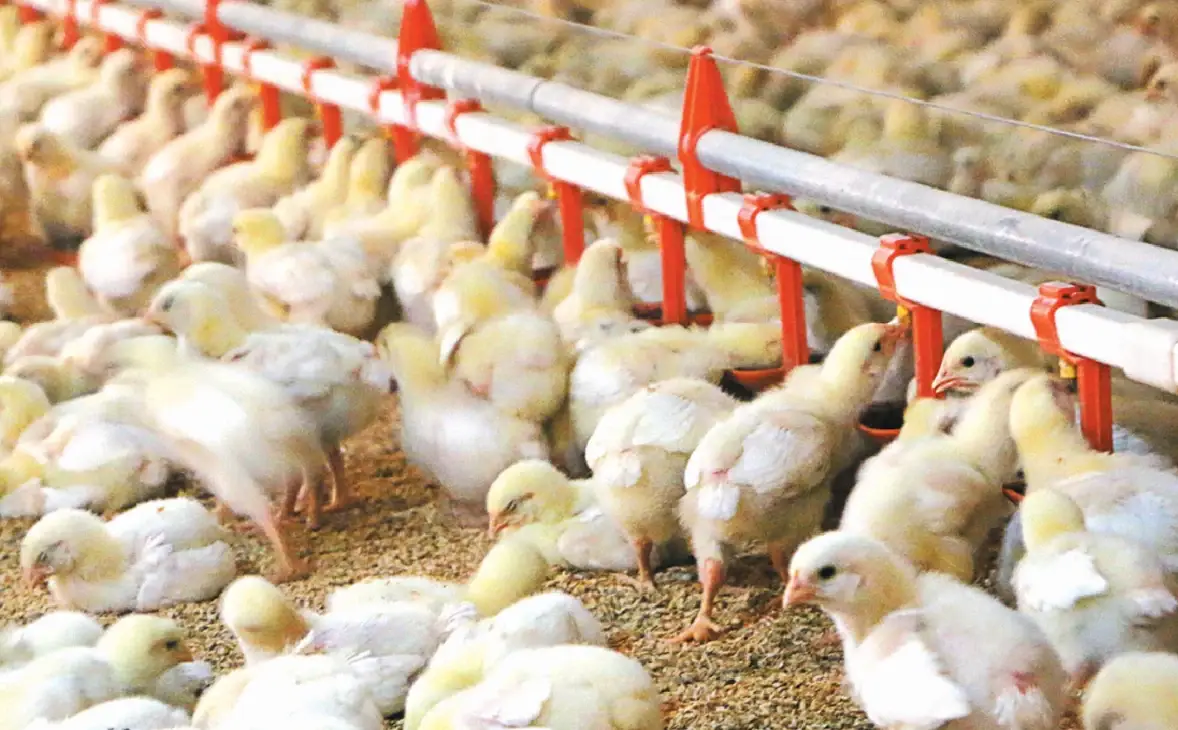
| Pipe | Feeding and support pipe, 100 mm diameter |
| Drive motor | 500 W with reduction gearbox |
A drinking-line winch on a feed line is a failure waiting for the day the line is heaviest. Check what is actually fitted in your house against what it is lifting.
What to keep on the shelf
Keep these on the farm, not on a supplier’s list:
For the feed line
- A spare drive motor, or at minimum the reduction gearbox coupling.
- Two pulleys of each type you use.
- A length of steel cable and spare U-bolts.
- A drop iron and an adjustor.
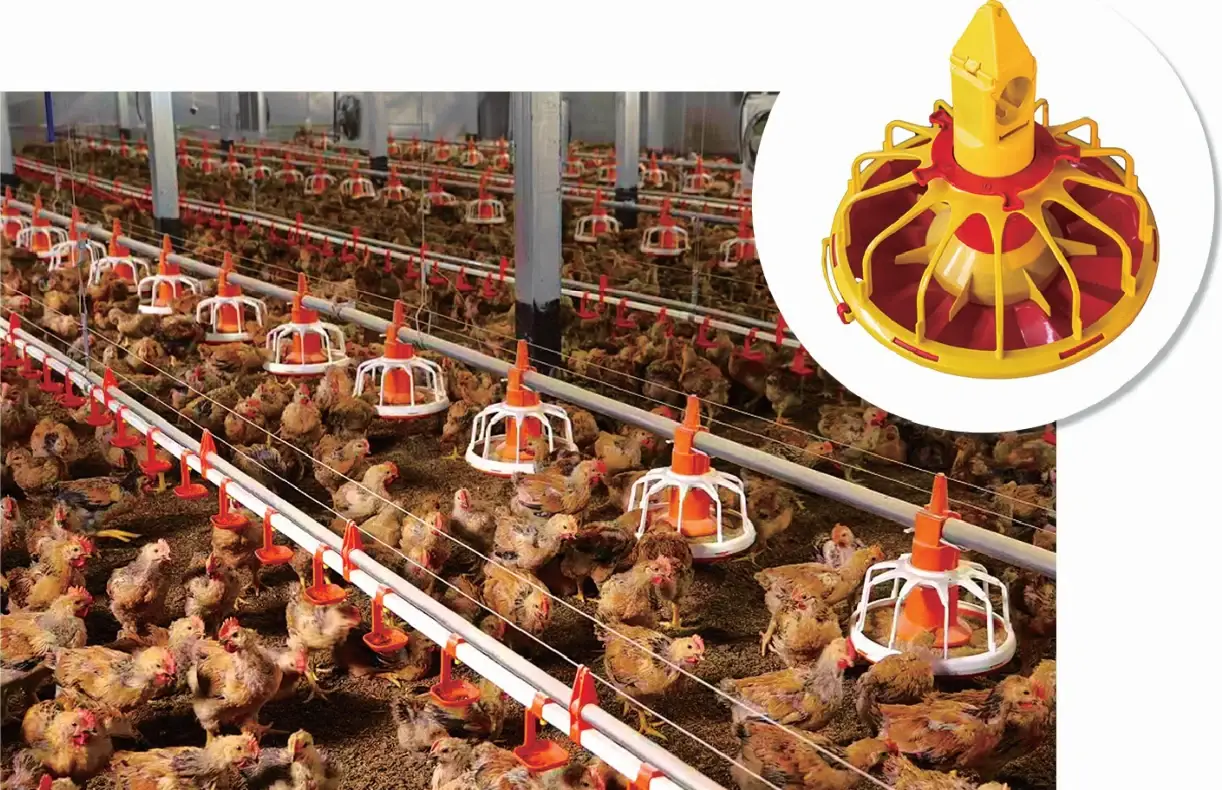
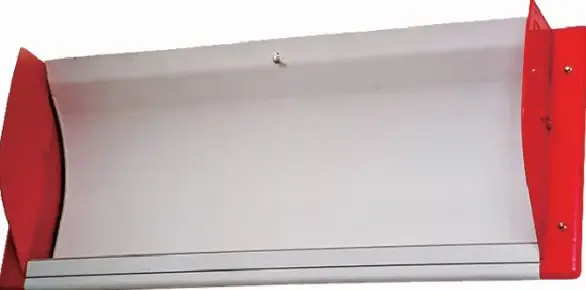
- Feeder pans — birds break them, and a broken pan spills feed all cycle.
For the water line
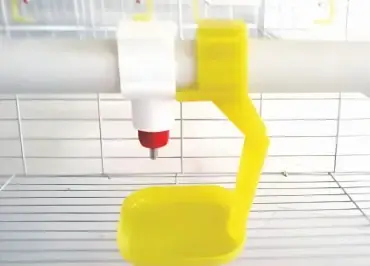
- Nipples and drip cups.
- A pressure regulator and filter cartridges.
- Seals and a length of pipe with joints.
General
- Fan belts and fixings where fitted, and a fan motor if your fan bank has no spare unit.
- The hand tools to fit all of the above, kept in the house and not borrowed from the workshop.
None of this is expensive next to a day of birds off feed.
The monthly check
Walk the lines with a spanner and a torch. Ten minutes per house:
- Cable. Look for fraying near the pulleys and at the winch drum. Frayed cable is replaced, not watched.
- Pulleys. Each one should turn freely. A seized pulley saws through cable.
- Level. Sight down the line. A line that hangs low at one end feeds unevenly, and the birds at that end tell you before you notice.
- U-bolts and brackets. Tighten what has worked loose. Vibration does this constantly.
- Winch. Wind it fully up and down. It should not jump, slip or grind.
- Feeder pans. Look for cracks, and check the anti-perching device is still doing its job.
- Nipples. Look for drips, and for the dry patch under a blocked one.
Write the date on the wall when you do it. A check that is not recorded gets skipped.
The between-batch service
The empty house is when the real work happens. Lines come down for cleaning anyway — see cleaning between batches — so do the mechanical work at the same time:
- Replace anything on the monthly list that you have been watching.
- Grease what the manufacturer says to grease, and nothing that should stay dry.
- Run the whole line empty, up and down, and listen to it.
- Check the hopper and auger are clear before feed goes back in.
When to call rather than improvise
Two things are worth a phone call instead of a workaround: anything carrying load — winches, cable, brackets — and anything electrical. A line coming down on a full house is a serious accident, and an improvised motor repair in a damp building is a fire.
Tell us what is fitted in your house and we will confirm the correct ratings and put together a spares list for your building — so the part you need is on your shelf, not in a catalogue.