
Cleaning between batches: the week that decides the next one
Dry clean, wash, disinfect, dry, rest, in that order, or you are disinfecting dirt. A working sequence for a cage or slat house, and the parts people miss.
The week between batches is not downtime. It is the cheapest health intervention available to you, and it is the one most often cut short because the next batch is booked. Disinfectant sprayed onto dust does nothing; a house washed and refilled the same day is a house still carrying the last flock’s problems.
The order, and why it is the order
1. Remove the birds and everything they left. Litter out, manure belts run clear, feed emptied from pans and hoppers. Nothing organic stays.
2. Dry clean. Brush and scrape the whole house from the top down — ceiling, beams, fans, cage tiers, belts, pipes, then the floor. Dust carries the last flock forward, and most of it comes off dry.
3. Wash. Detergent and water, again from the top down. This is the step that decides everything after it: disinfectant cannot work through a film of grease and droppings.
4. Disinfect. Only now, on clean surfaces, at the right dilution and with the contact time the label says. Half a dose or half the time is most of the cost for none of the effect.
5. Dry. Completely. Wet surfaces suit the organisms you just killed.
6. Rest. Leave the house empty for as long as your schedule allows. Time itself is a disinfectant.
Skip a step and everything after it is theatre.
The parts people miss
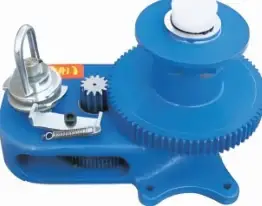
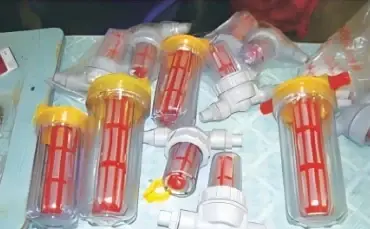
- Water lines. Biofilm inside the pipe survives everything you do to the outside of it. Lift the lines on the winch and pulley system, flush, clean and dry — the routine is in tube-well water, scale and biofilm.
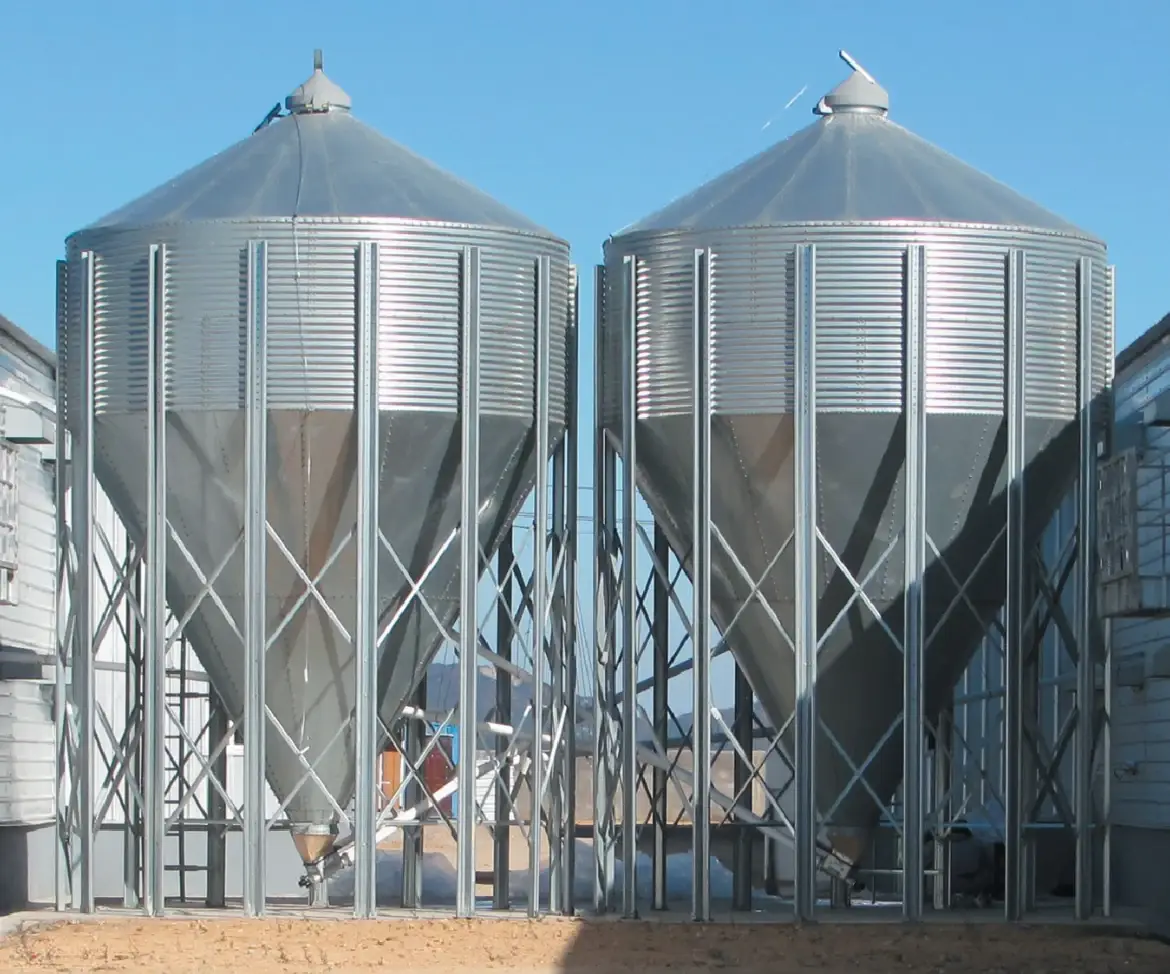
- Feed system. Empty the hopper, the auger and every pan. Old feed in a cone is where the next spoilage starts — see feed storage.
- Fan shutters and blades. Thick with dust, moving air into the next flock.
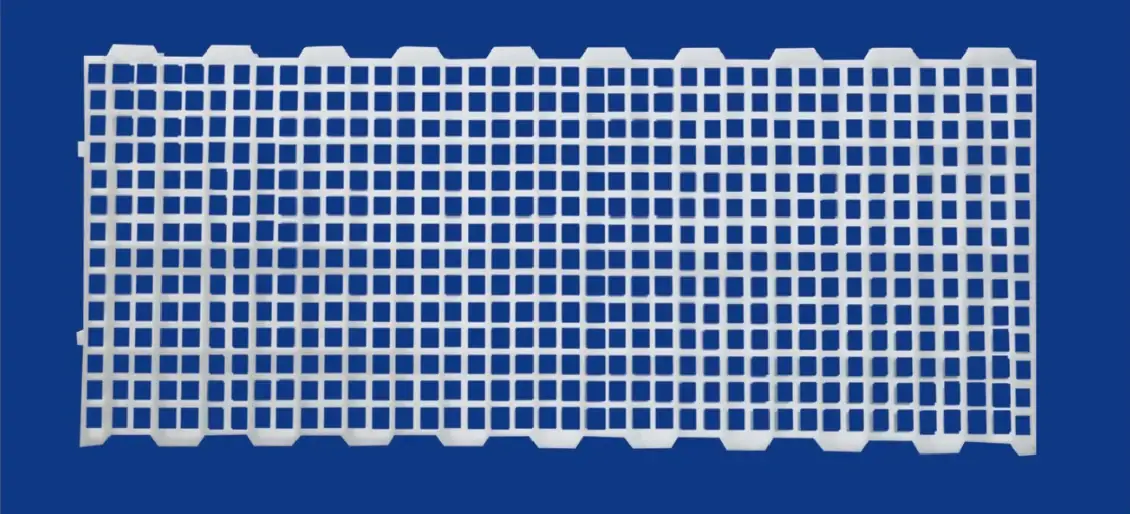
- Under the slats. Slat panels lift and wash down properly — but only if somebody lifts them.
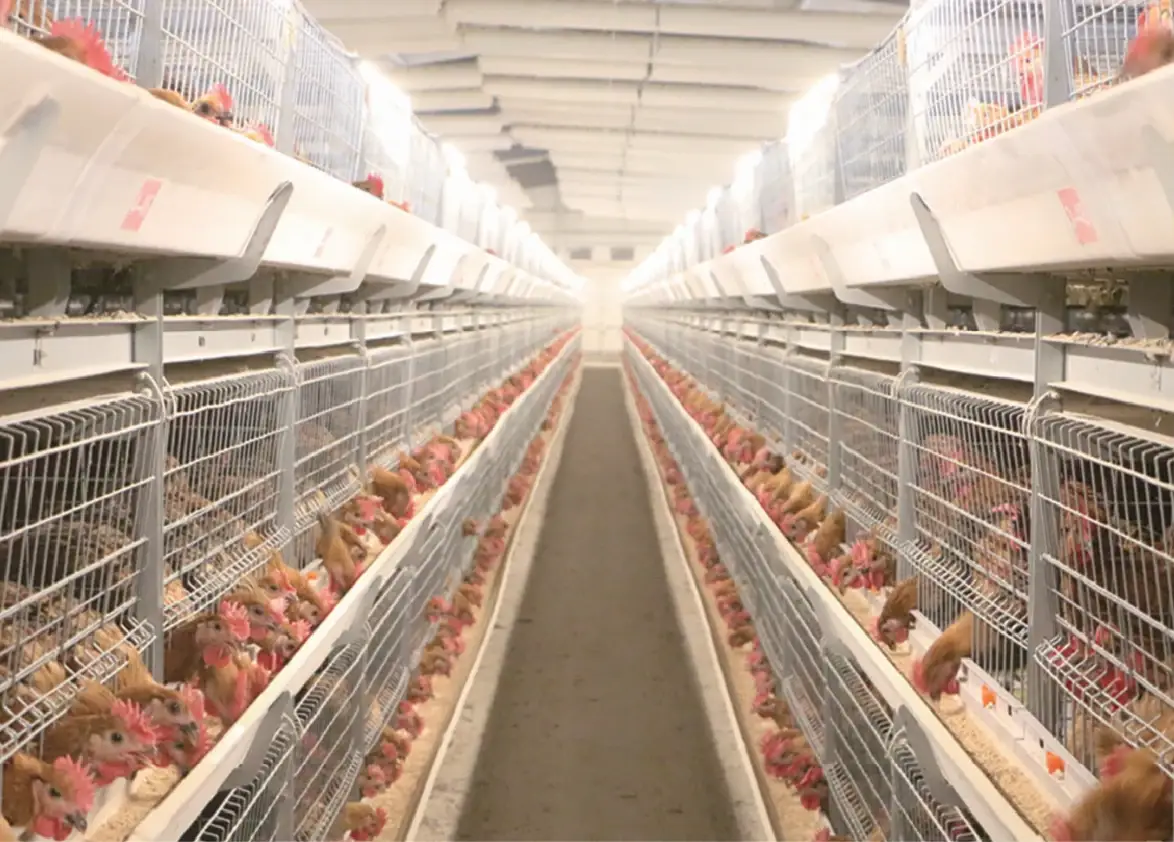
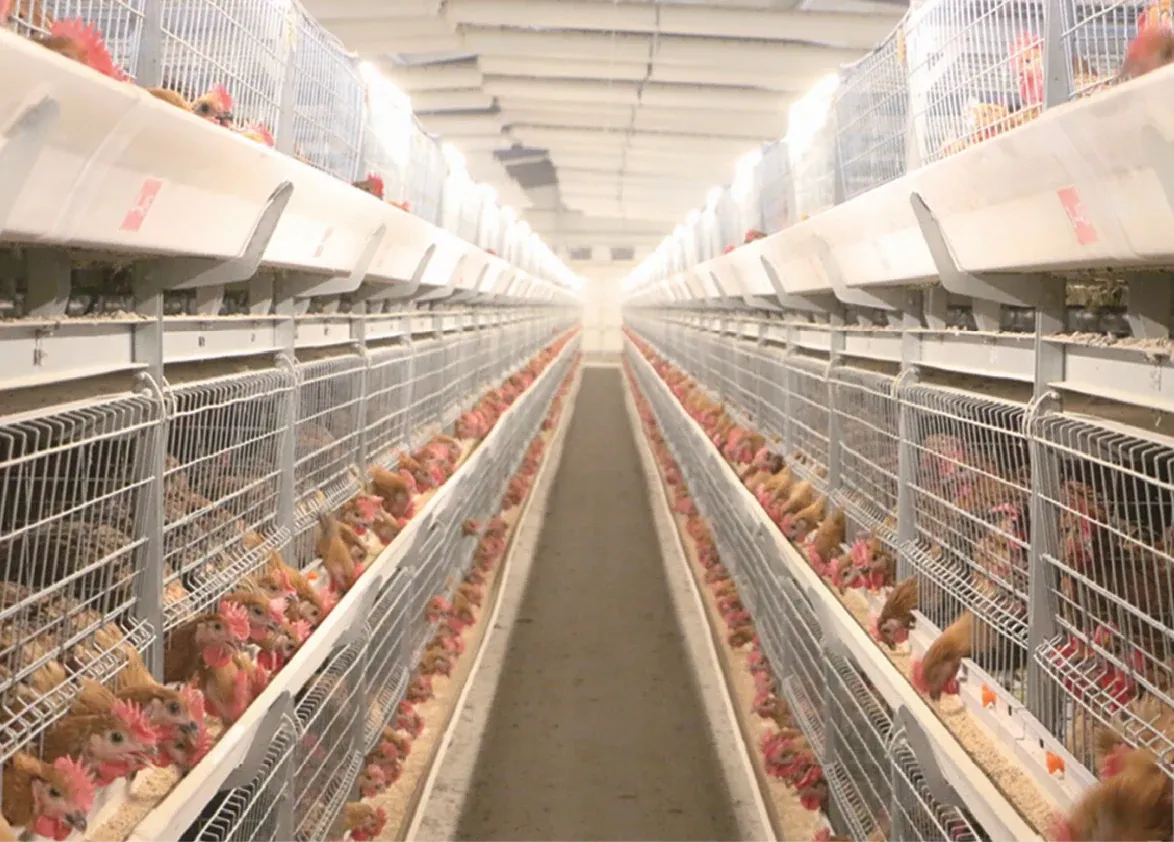
- The top tier. In a cage house, the tier nobody can see from the aisle is the tier that gets a quick spray.
- Header tanks. A clean line fed from a dirty tank is not clean.
- The store room and the corridor. People walk from there into the house.
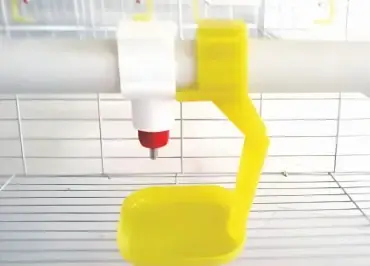
- Anything you took out — trays, feeders, troughs and drinkers — cleaned before it goes back in.
Rodents and wild birds, in the empty week
An empty house is the only time you can deal with these properly.
- Bait and block rodent runs while there is no feed to compete with.
- Repair holes in netting and mesh, and the gaps under doors.
- Clear vegetation and spilled feed from the outside walls — that is what draws them in.
- Check the feed store, which is what they actually came for.
People are the other route in
The house you have just cleaned is only as protected as its threshold:
- One entrance, with a footbath that has fresh disinfectant in it — not a green puddle from last month.
- Farm boots and clothing that do not leave the farm.
- A visitor rule you actually enforce, including for feed and catching crews, who visit other farms for a living.
- No borrowed equipment from another farm without cleaning it first.
Write it down
Keep a simple sheet per batch: date out, date each step was done, the products and dilutions used, date in. Three things follow from it — you can see whether the rest period is really as long as you think, you can compare batches when performance changes, and the person doing the work knows exactly what is expected.
Tell us the house type and what equipment is in it and we will put together a between-batch checklist for your building, including which parts lift out and which need dismantling.