
Tube-well water, scale and biofilm: keeping a drinking line alive
Hard water blocks nipples, biofilm blunts your medication, and both are invisible until intake drops. A maintenance routine for farms on tube-well water.
Most farms in Bangladesh drink from a tube well, and tube-well water carries iron and dissolved minerals. Those minerals do two things inside a closed drinking system: they leave scale in the nipple where the seal has to close, and they feed the slime layer that grows on the inside of the pipe. Neither is visible from outside, and both show up first as a fall in water intake.
The three problems, in order of how often they bite
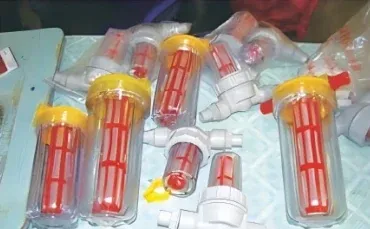
Sediment. Sand and grit from the well. It wears seals and blocks nipples outright. A filter at the head of the line handles it — as long as somebody cleans the filter.
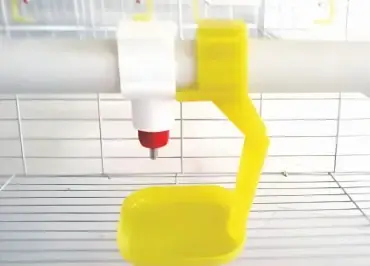
Scale. Calcium and iron deposits inside the nipple and the regulator. A scaled nipple either stops releasing water or never stops dripping. Dripping nipples wet the litter or the manure belt, which is how a water problem becomes an ammonia problem.
Biofilm. A slippery bacterial layer that grows on the inside wall of every water pipe that has ever had water standing in it. It shelters bacteria from disinfectant and it binds whatever you dose through the line — which means the medication or vaccine you paid for reaches the bird at less than the dose you intended.
A routine that actually gets done
Write it on the wall of the house, with a place to tick:
Daily
- Read the water meter and write the number down. Intake rising day on day with the flock is normal; a flat or falling number is a signal.
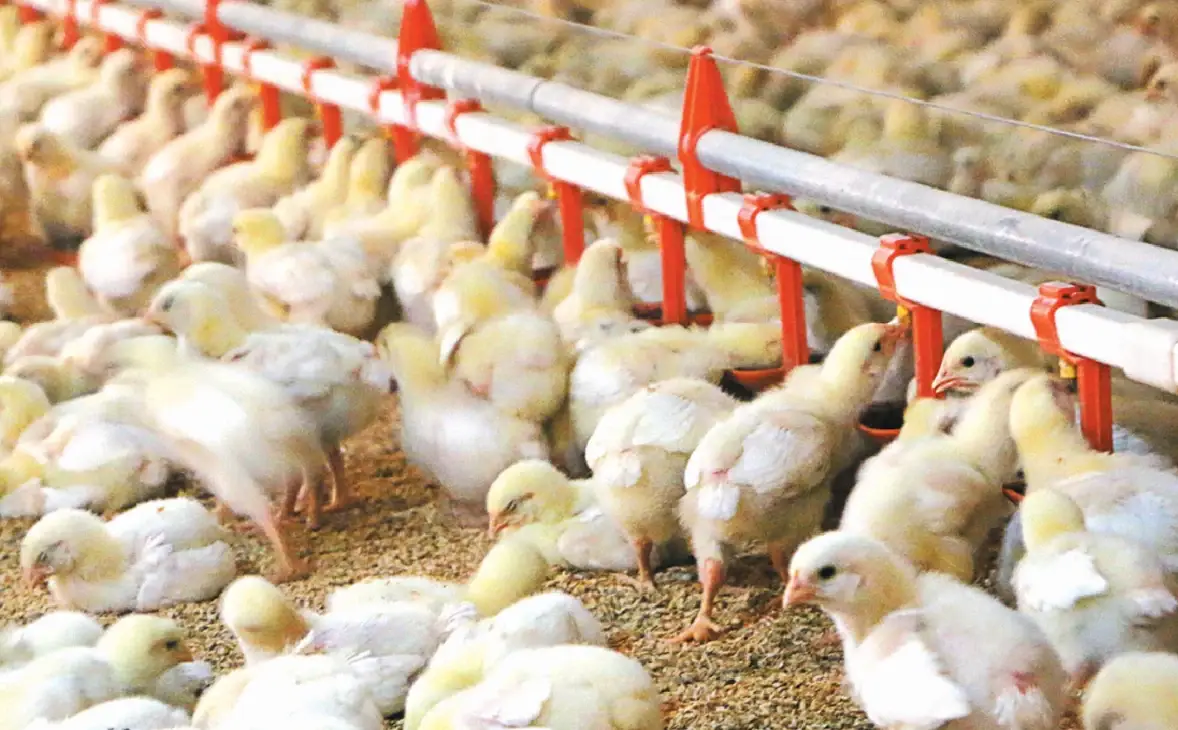
- Walk one line and watch birds drink. Look for drips under the line.
Weekly
- Clean the filter. Not when it looks dirty — weekly.
- Check pressure at the regulator and look at the level in the indicator tube.
- Check line height against the size of the birds.
Between batches
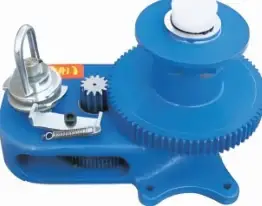
- Lift the lines clear with the winch and pulley system.
- Flush at full pressure with the end of the line open, until what comes out is clean.
- Run a cleaning product through it, following the instructions, then flush again.
- Descale where your water is hard.
- Clean and disinfect the header tank. A clean line fed from a dirty tank is not clean.
- Let it dry.
The between-batch job is the one that matters most and is skipped most, which is why a line you can lift matters — see cleaning between batches.
Know your own water
You cannot manage what you have not measured. Have your water tested once — a basic test for iron, hardness, pH and bacterial contamination — and keep the result. It tells you whether you need a heavier filter, whether descaling should be routine rather than occasional, and whether the water is fit to dose medication through at all.
Retest if the well changes, if you deepen it, or after flooding.
Dosing: what the water does to your medicine
- Dose into clean lines. Biofilm binds many products before they reach the bird.
- Mind the interaction. Some products react with high iron or hardness; read the label against your own water test.
- Flush after medicating, or the residue feeds the biofilm you just fought.
- The Dosatron medicator runs on water pressure alone, with no electricity — so a power cut does not interrupt a treatment programme.
Spares worth keeping on the farm
Nipples, drip cups, a spare pressure regulator, filter cartridges, seals and a length of pipe. These are consumables. A blocked line on a hot Friday is not the day to discover the nearest replacement is in Dhaka — the full stock list is in the spare parts that keep a line running.
Send us your water test result and your line length and we will tell you what filtration the system needs and what to keep on the shelf.