
Feed storage: what the monsoon, the rats and the spillage cost you
Feed is your biggest cost and the easiest to lose in a damp store. What a galvanised silo changes, and how to tell whether bulk delivery pays on your farm.
Nobody budgets for spoiled feed, and almost every farm pays for it. Bags stacked on a damp floor through a Bangladeshi monsoon grow mould. Rats take their share nightly. Torn bags spill. None of it appears on an invoice, which is exactly why it goes unnoticed for years.
What goes wrong in a bag store
- Moisture from below. A concrete floor breathes. Bags on the floor pick it up, and mould starts at the bottom of the stack where nobody looks.
- Humidity from the air. In a closed store at 85% humidity, feed does not need to be rained on to spoil.
- Rodents. A rat does not eat much; it contaminates a great deal, and it brings disease into a feed store that opens onto a bird house.
- Handling losses. Every bag lifted, cut and tipped loses a little, and the person doing it is paid.
- No rotation. Without a system, the newest bags end up in front and the oldest at the back, where they stay until they are unusable.
What a silo changes
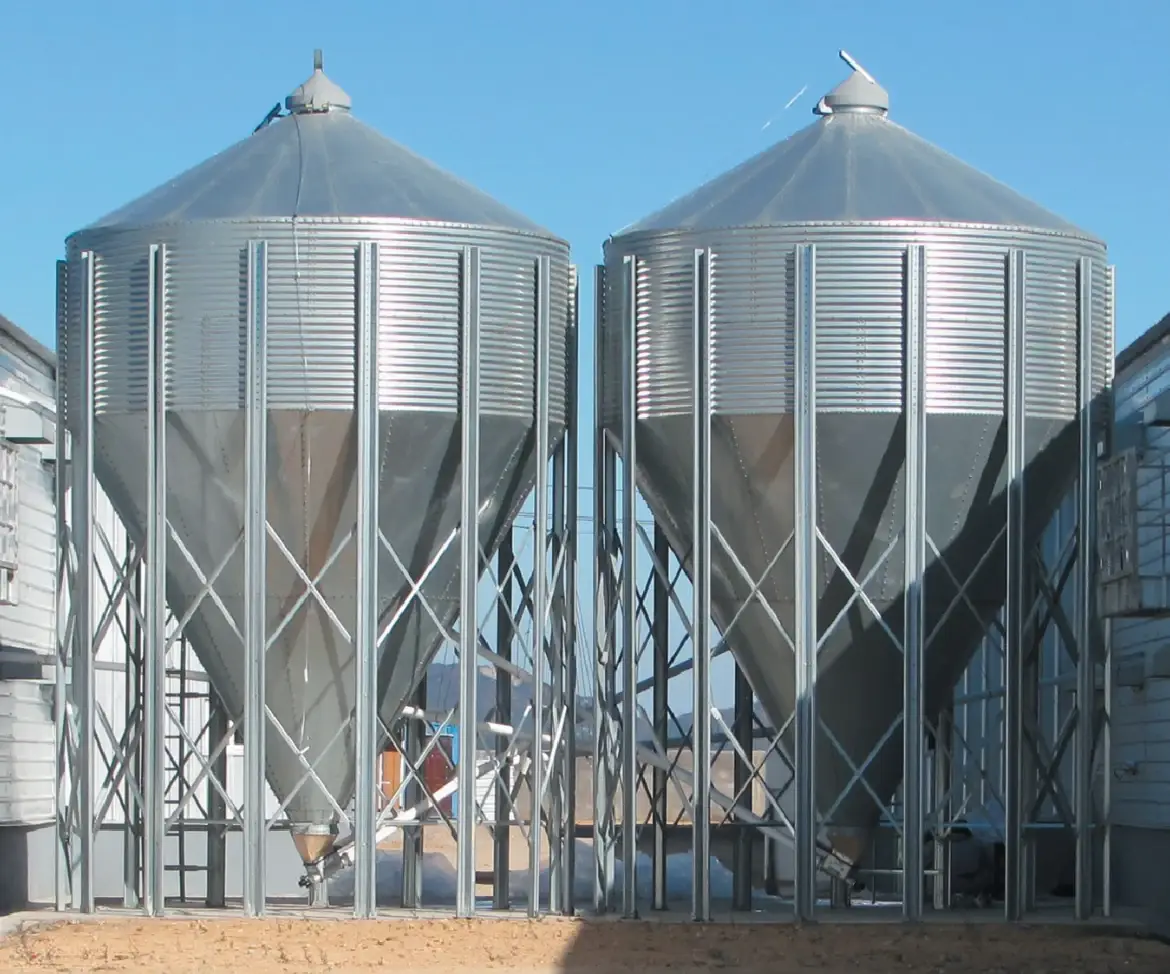
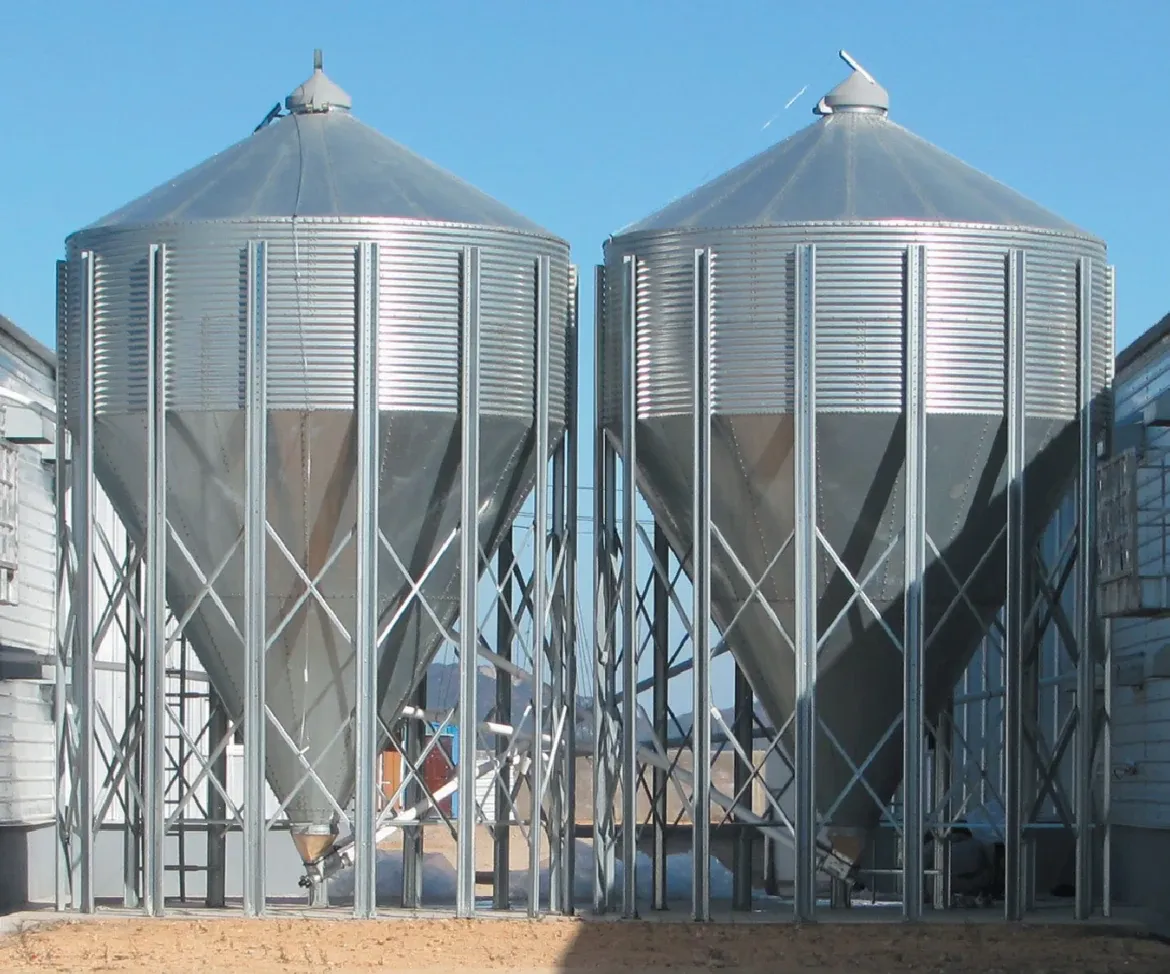
A feed storage silo is a sealed, galvanised structure standing outside the house. The body is made of 275 g/m² hot-galvanised steel panel on both sides, and there is an inspection hole on the hypo-cone so you can check the feed level without climbing in. They come in several capacities.
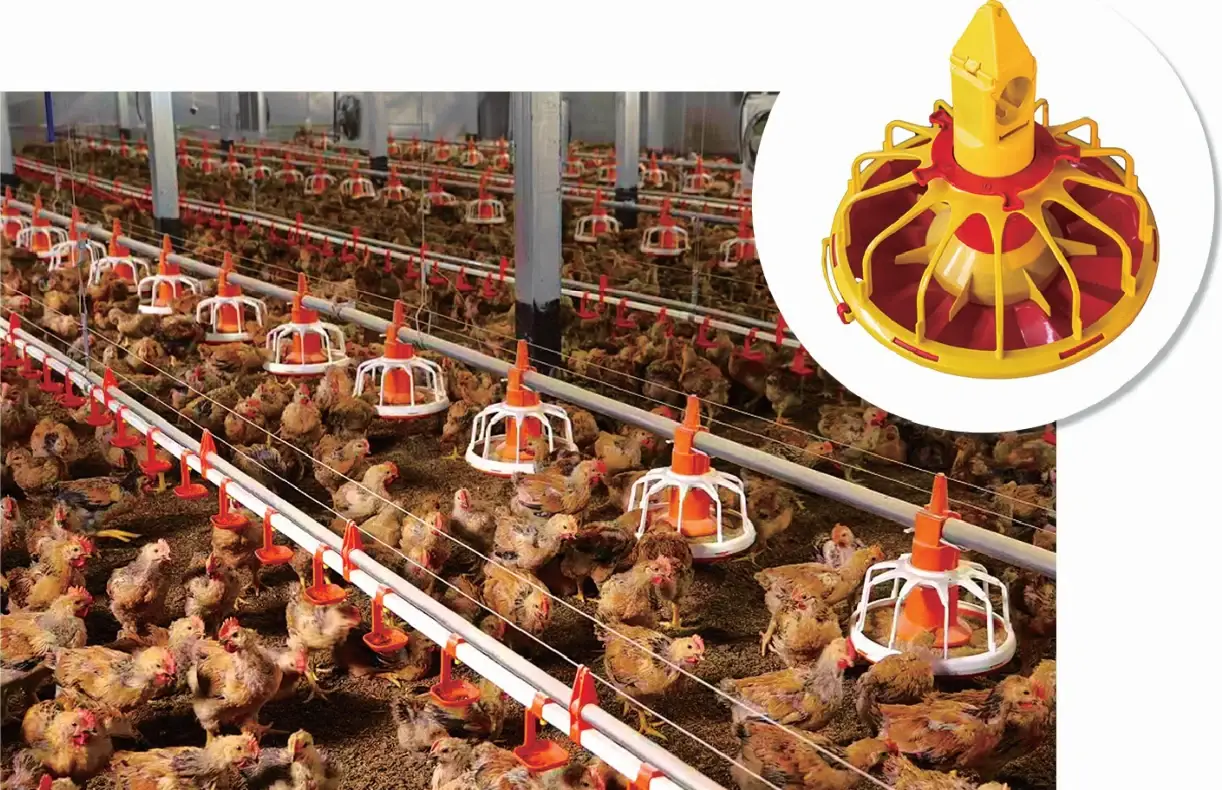
What that gets you in practice: feed stays dry and out of the weather, rodents have no bags to open, the store room by the house stops being a feed room, and the feed goes straight into the feeding line without a person carrying it.
Is bulk delivery cheaper?
Usually per tonne, yes — but check it against your own situation rather than assuming:
- Ask your feed supplier for the bulk price per tonne against the bagged price, delivered.
- Check they deliver bulk to your area, and in what minimum load.
- Multiply the saving by your annual tonnage.
- Subtract what the silo and its base cost, and be honest about how many years you expect to use it.
- Add the labour you stop paying for carrying and tipping bags.
Farms with steady, larger volumes usually reach a clear yes. Small farms buying a few bags at a time often do not — and we will tell you so.
Siting it properly
Decide these before the base is poured:
- Truck access. A bulk truck needs to reach the silo, turn and discharge. Measure this for the vehicle that will actually come.
- A level, solid base, correctly sized. A silo full of feed is heavy, and the ground it stands on matters in soft or flood-prone land.
- Height clearance, with nothing overhead.
- The auger run to the house — short and straight where possible.
- Flood level. Set the base above the worst water your site has seen, not the average.
Habits that protect the feed you have
- Check the level through the inspection hole on a schedule so you are never ordering in a panic.
- Empty and clean the silo between flocks. Old feed left in the cone is where the next problem starts — part of the discipline in cleaning between batches.
- Look at the feed itself, weekly. Smell it, feel it for clumping, look for caking on the wall.
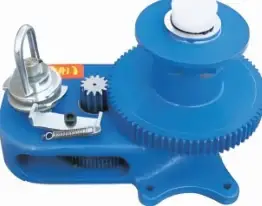
- Keep the auger and drive serviced — the drive motors, pulleys and fittings that move feed are consumables, and a stopped auger means hungry birds.
- Watch intake. A sudden drop in feed intake is a bird problem or a feed problem, and both need finding the same day.
Tell us your flock size, your feed use per cycle and how feed reaches your farm now, and we will tell you what silo capacity fits and whether bulk makes sense at your volume.