
Plastic slat floor or deep litter? The middle path for wet houses
Slats lift birds off their droppings without rebuilding the shed as a cage house. Panel sizes, what they fix, what they do not, and when litter still wins.
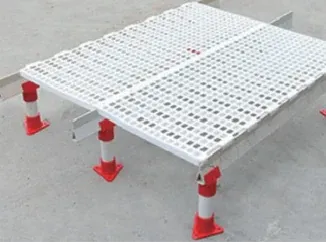
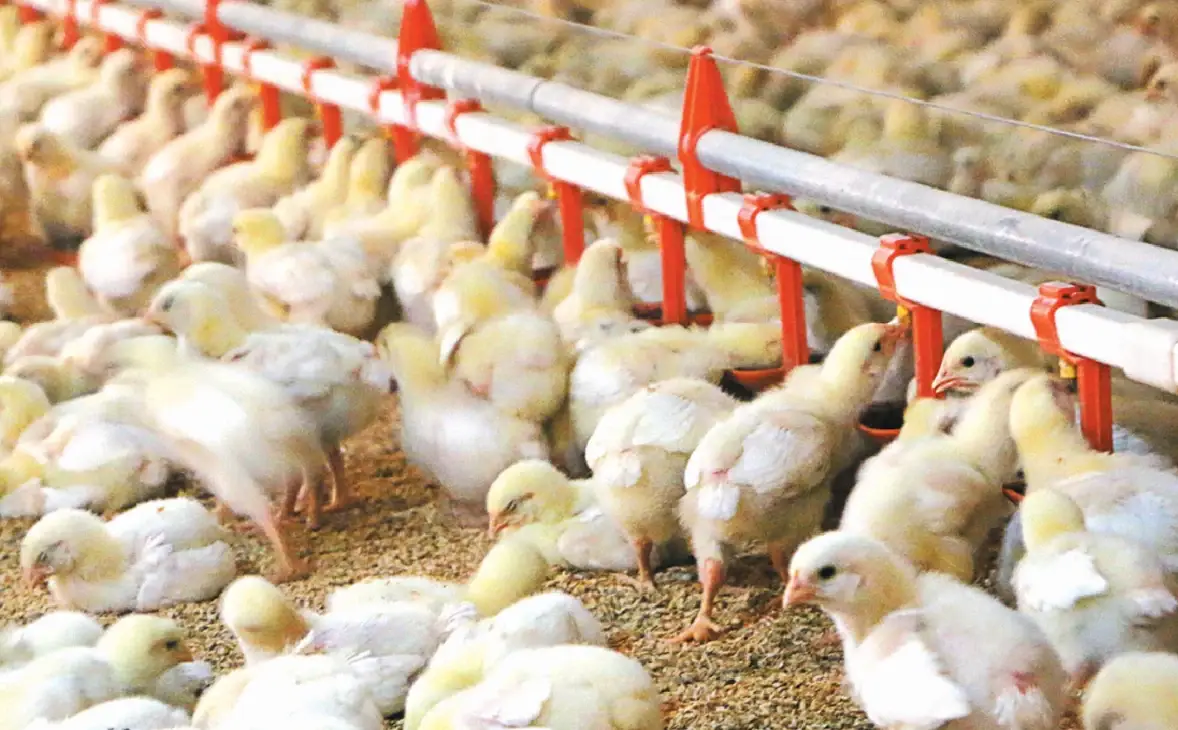
Deep litter is cheap and simple, and in a Bangladeshi monsoon it is a constant fight. Litter absorbs moisture from droppings, from drinkers and from the air, and wet litter means ammonia, footpad damage and a higher disease load. A full cage house solves it, but not every farm has the shed height, the power or the capital for that. Slat flooring sits in between.
What slats actually do
Raise the birds on a slatted surface and droppings fall through, away from the feet standing on them. The birds stay on a dry surface; the manure collects below where it can be removed on your schedule rather than trampled for the length of a batch.
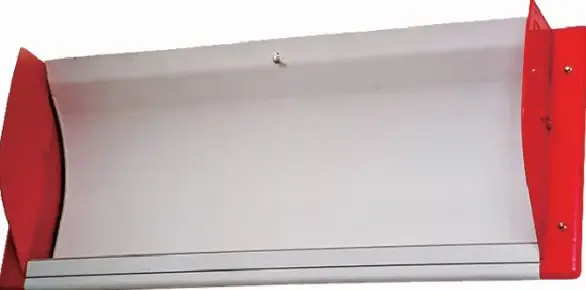
Plastic slat panels come in four sizes — 1 m x 0.5 m, 1 m x 0.6 m, 1.2 m x 0.5 m and 1.2 m x 0.6 m — in 100% raw plastic with high tensile strength, ageing resistance, anti-corrosion properties and strong load capacity. The leak holes are deliberately sized so droppings pass through without injuring birds’ feet, and the surface is smooth. They install easily and wash down.
The material matters. Recycled plastic panels go brittle in heat and split under load; raw plastic is what keeps them serviceable through repeated cleaning and several flocks.
Where slats fit
Whole-house slats for breeders and for ducks, where wet floors are the chronic problem.
Part-slat layouts, common in breeder houses: a raised slat area carrying the nests and drinkers, and a litter area for scratching and mating. Keep the litter genuinely usable, because that is where mating happens.
Around the drinker line only, if your problem is local. The wettest square metre in most houses is under the nipples, and slatting only that strip fixes a disproportionate share of the misery.
What slats do not fix
- A leaking water line. Slats move the wet somewhere else; they do not stop it. Fix drips at the nipple line first.
- Poor ventilation. Moisture still has to leave the building as air.
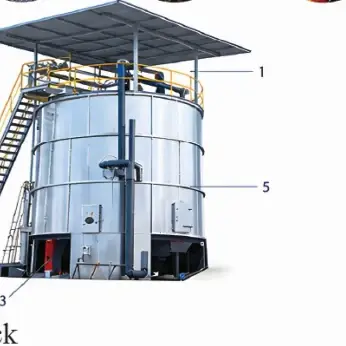
- Manure you do not remove. The heap under the slats will ferment and give off ammonia if it is left. It has to be part of a plan — see turning manure into a second income, where the fermenter tank sits at the end of that chain.
- Stocking density. More birds than the house should hold is still more birds than the house should hold.
Cost and labour, honestly
Slats cost more than litter up front and less every batch: you buy far less bedding, you spend less labour spreading and topping it, and you have less footpad and hock damage to show at market. They wash and disinfect properly, so your clean-down is better and faster than clearing and replacing a litter bed.
Against that: the raised structure costs money, the house needs a manure route underneath, and cleaning under slats is a real job that has to be planned for — not a corner you discover at the end of a batch.
When litter is still the right answer
- Short broiler cycles in an open-sided house where the shed dries between batches anyway.
- Farms where bedding is cheap, local and reliably dry.
- Sheds where there is no practical way to remove manure from under a raised floor.
- Anyone who has not yet fixed the water leaks. Do that first and re-measure the problem.
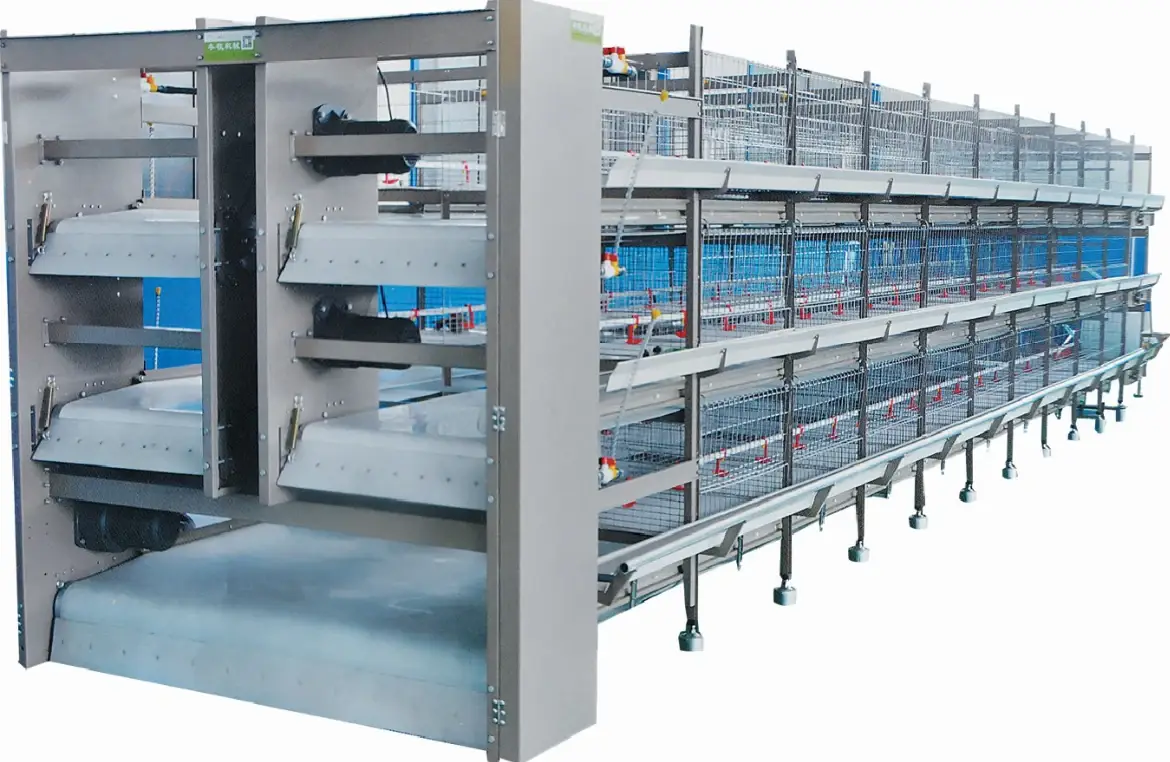
If you are choosing between slats and going all the way to cages, the comparison is in broiler cages or floor rearing.
Send us your shed dimensions, bird type and where your wet spots are now, and we will tell you how much slat area would actually change things — including if the answer is “fix the drinkers first”.