
Brooding: what the first two weeks decide
Chicks that start badly never catch up. Day-one checks, nipple height and temperature in a brooding cage, and what goes wrong in a Bangladeshi winter.
A chick that does not find water and feed in its first day will be behind for the whole cycle, and a flock that starts unevenly stays uneven. Nothing you do in week six recovers what was lost in week one. That is why brooding gets more attention per bird than any other stage.
Before the chicks arrive
- Preheat the house. Warm the floor, the cage and the air, not just the air. Cold metal under a chick pulls heat out of it no matter what the thermometer on the wall says. Start early enough that the whole structure is warm, not an hour before the truck.
- Run the water line and taste it. Water standing in a pipe since the last batch is not fit to drink. Flush it.
- Set the drinker height for a day-old bird, not the height the last flock left it at.
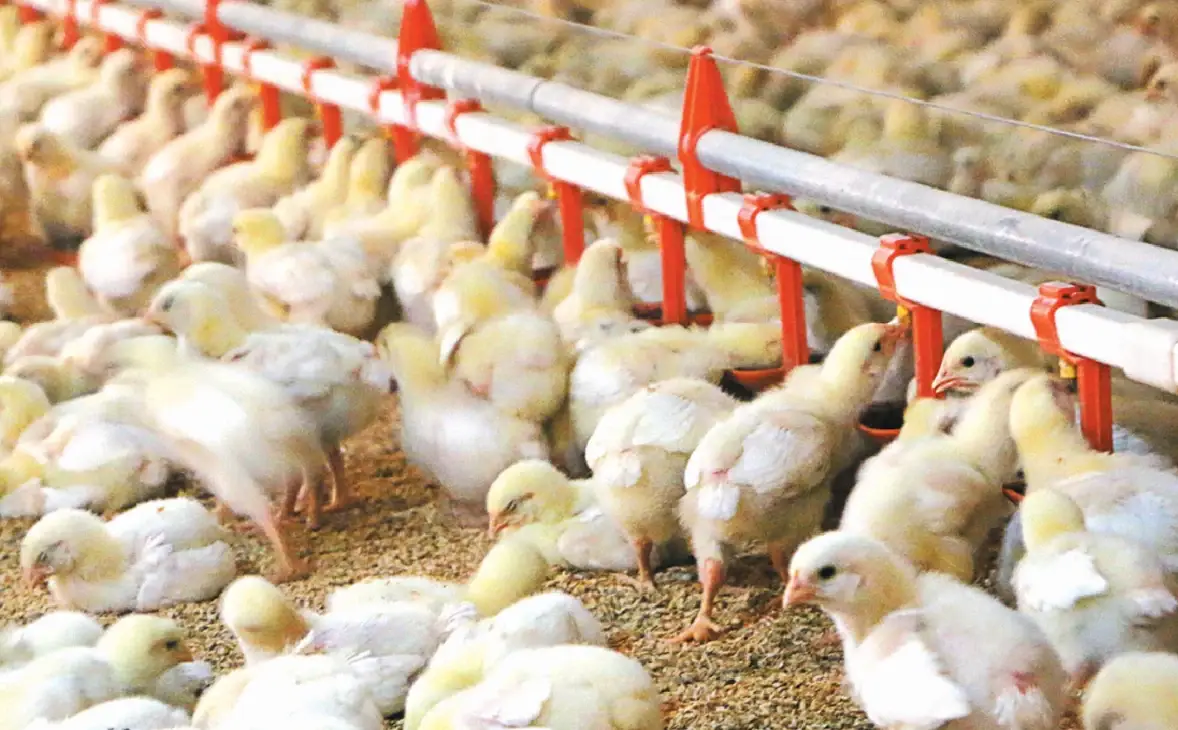
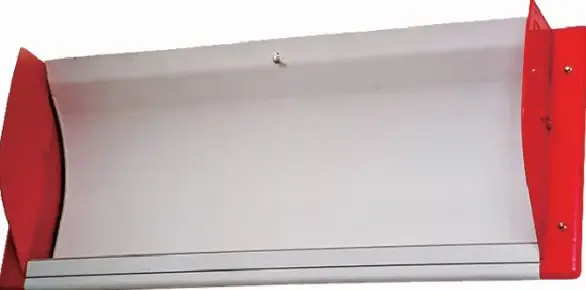
- Put feed where a chick will walk into it. Chick feeders and drinking cups and chick hoppers exist because a day-old bird looks down and forward, not up.
- Check the alarms. The night the heater fails is the night you find out whether the alarm works.
Day one: crop fill tells you everything
Two hours after the chicks are placed, pick up ten birds from different parts of the house and feel the crop. A full, soft crop means the bird has found feed and water. A hard crop means feed without enough water. An empty crop means that bird has found nothing.
Repeat at eight hours and at twenty-four. If a group of chicks in one part of the house keeps coming up empty, the problem is in that spot — a line too high, a cold corner, a draught, a light that does not reach.
This one check, done properly, catches most brooding problems while they can still be fixed.
Temperature, and reading the birds instead of the meter
The number on the controller is a target. The birds are the measurement:
- Spread evenly, moving, some eating, some resting — the temperature is right.
- Huddled together under the heat — too cold.
- Pushed out to the walls, panting — too hot.
- Bunched at one end — a draught, usually from an inlet or a gap somebody has not found yet.
Look at them last thing at night. A house that is comfortable at three in the afternoon can be cold at three in the morning, and the birds will tell you before the sensor does.
Why brooding cages are built differently
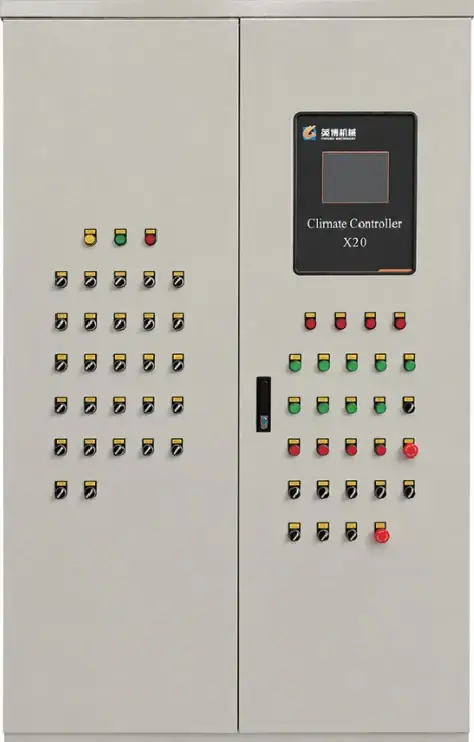
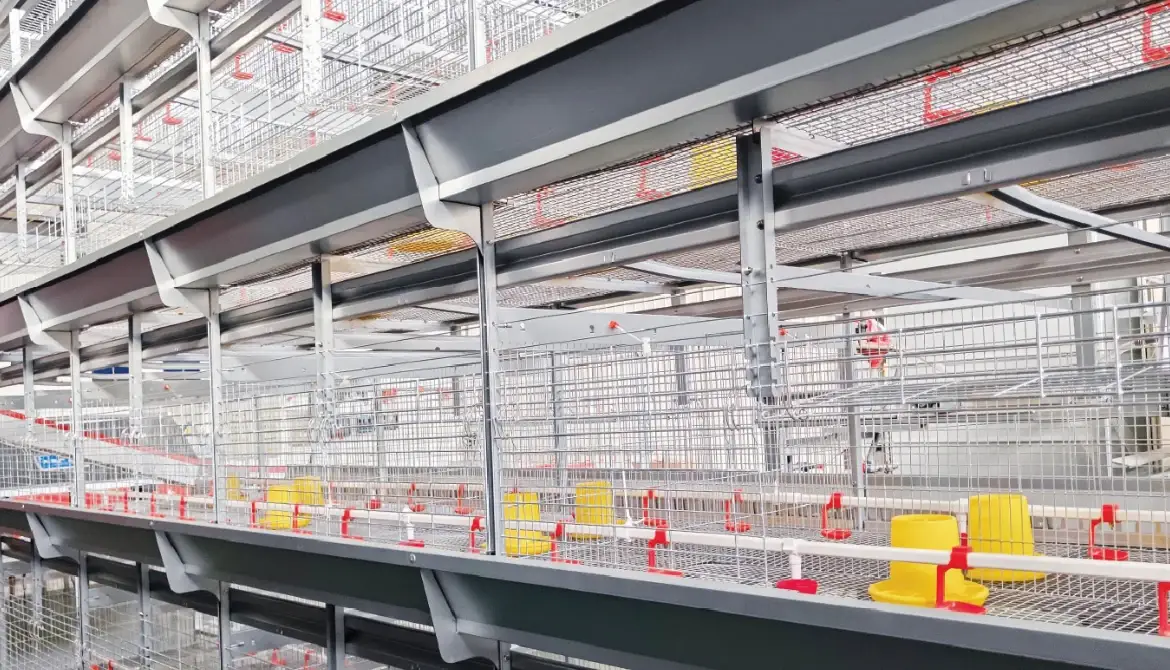
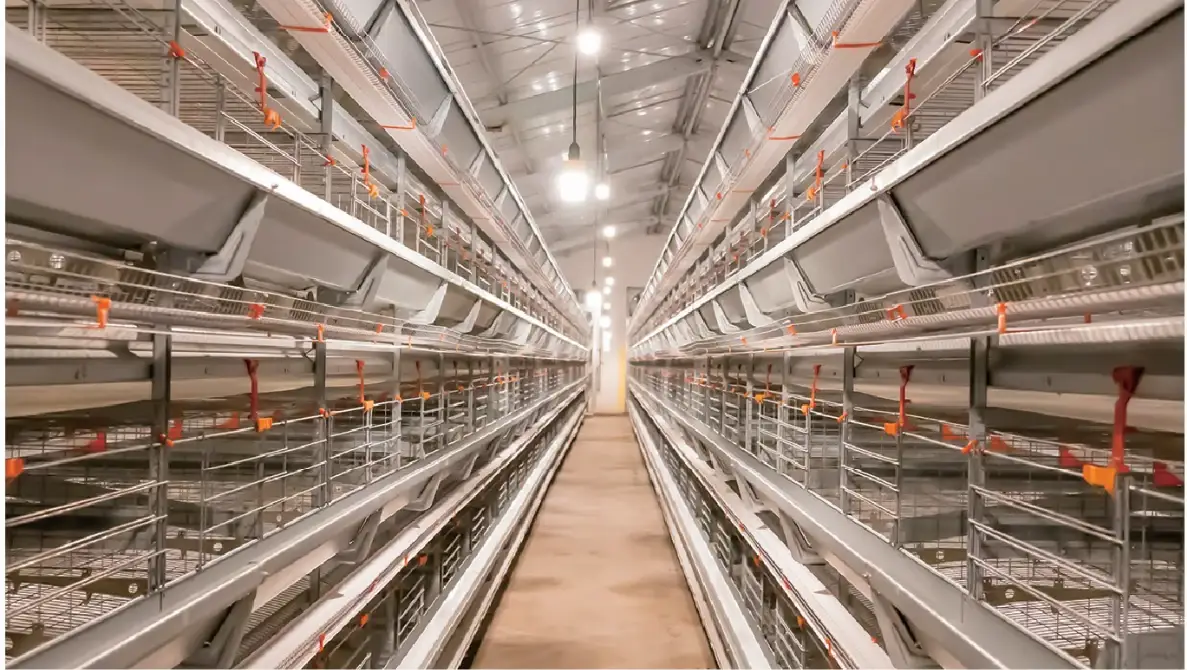
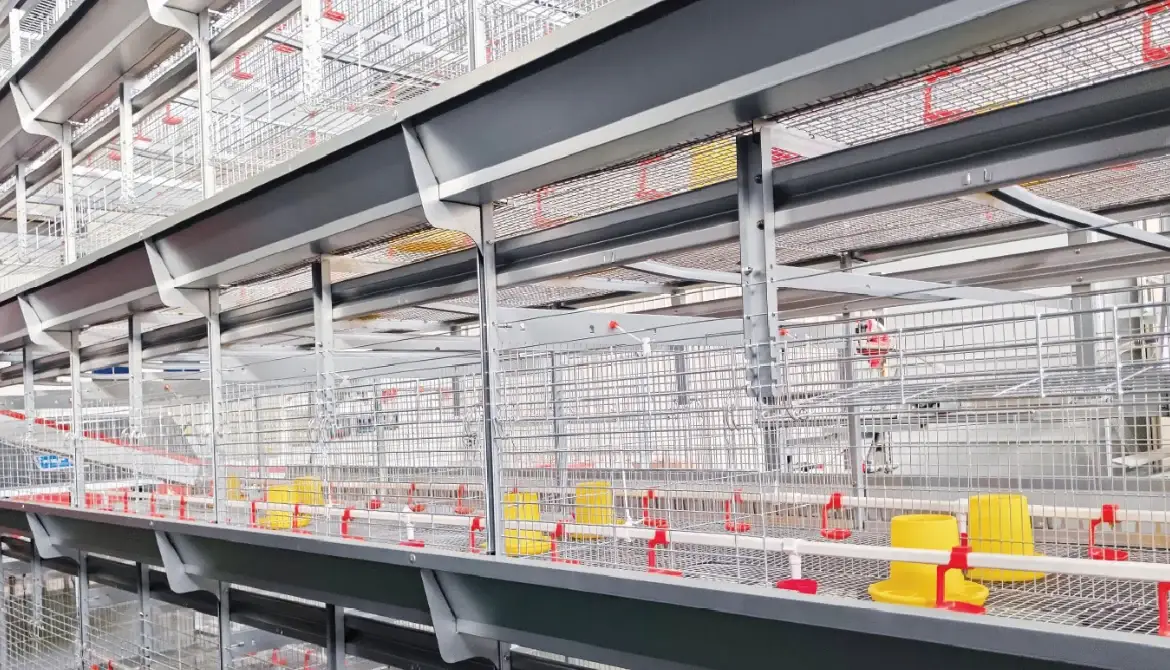
A brooding cage system for pullets is not a layer cage in miniature. The cage is deliberately large to keep chicks uniform, at 340 cm² per bird and 11 birds per cage, with floor height 690 mm and cages 1250 mm long by 600 mm deep. The front net is designed so chicks cannot get out. The water line is linked from top to bottom so one person can adjust the whole stack instead of climbing. And the environmental controls carry a triple early-warning system, because in brooding the margin for a heating or ventilation failure is measured in hours.
Getting uniformity right here is what your laying curve depends on later — the arithmetic of what comes next is in reading a layer cage specification properly.
Water: the setting that changes weekly
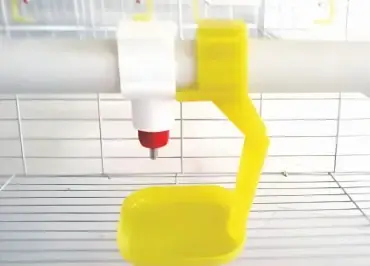
For day-old chicks the nipple sits at about eye level, so a chick drinks without stretching. Raise the line every few days as the birds grow, until they reach slightly up with the head at roughly 45 degrees. Check pressure at the same time — a nipple that will not release water for a chick’s weak peck is a nipple that chick will give up on.
Ventilation you cannot skip, even when it is cold
The instinct in cool weather is to close the house and keep the heat in. The result is ammonia and damp, and chicks with damaged airways going into the growing period.
Minimum ventilation exists for exactly this: enough air exchange to carry moisture and ammonia out, without chilling the birds. An environment controller runs the minimum air volume curve alongside the temperature curve so the two are balanced by the clock rather than by whoever is on duty.
The Bangladeshi brooding calendar
December and January. Nights in the north are genuinely cold. Preheat longer, watch the small hours, and do not seal the house to keep heat in — see air inlets, negative pressure and the ammonia you can smell.
April to June. The problem reverses: the brooding target is still warm, but the afternoon can overshoot it badly. Heating off early, ventilation up, and watch for panting.
Monsoon. High humidity slows litter and manure drying. Moisture control matters more than temperature.
Send us your house dimensions and chick numbers and we will tell you what the brooding section needs — cages, drinker line, heating and control — as one specification.