
Light management for layers, and why the house has to be properly dark
A light programme only works if the house is dark when it says dark. Where daylight leaks in, what a light trap does, and how to light a tall cage house.
Lay is driven by light. Day length tells a hen’s body whether it is the season to produce, which is why every layer and breeder operation runs a light programme. But a programme is only as good as the darkness behind it: if daylight is coming in around the fans at six in the morning, your birds are on the sun’s programme, not yours.
Where the light gets in
Walk the house in the middle of a bright day with the lights off and stand still for two minutes until your eyes adjust. You will see every leak:
- Fan openings and shutters — the biggest one, because they must stay open to move air.
- Air inlets, particularly when open.
- Doors, and the gap under them.
- Gaps at the eaves and around the ridge.
- Cable and pipe penetrations somebody made after the building went up.
You cannot block the fan and inlet openings — air has to pass. That is the problem a light trap solves.
What a light trap does
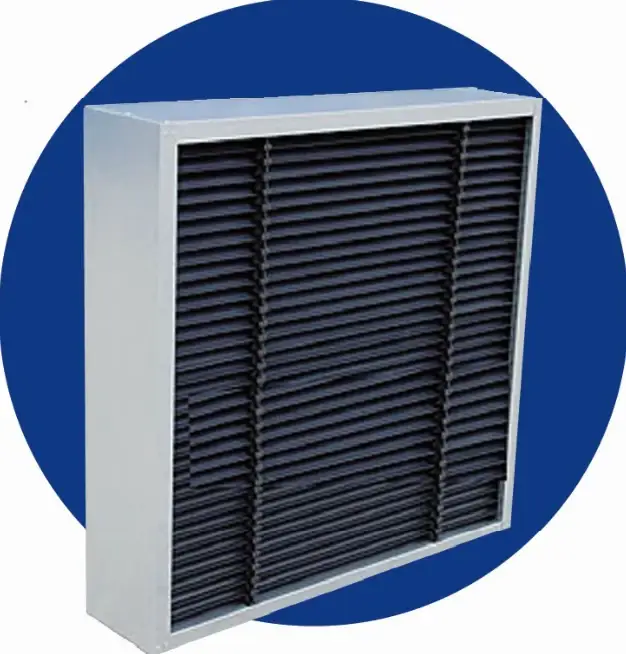
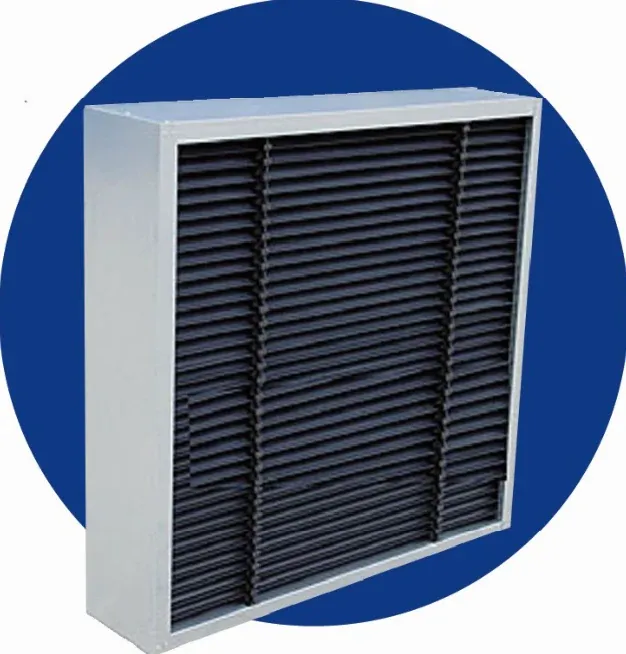
A light trap fits at the fan or inlet opening and blocks daylight while letting air through. Ours is extruded PVC in a double-wave sheet shape, which is what gives optimal shading while keeping air resistance low — that last part matters, because anything you put in front of a fan costs air.
The rest of the specification is about living in a poultry house: the material is chemical-resistant and takes high-pressure cleaning, tiles connect with shackles that increase the thrust surface area for a tighter fit, sheets are modular within each unit so they come apart for cleaning, and the frame can be stainless steel or hot-galvanised to suit the site. Standard types run from a 36 inch unit at 1000 x 1000 x 200 mm and 18 kg up to 50 inch units at 1400 x 1400 x 250 mm and 52 kg.
Two practical notes: a light trap adds resistance, so account for it when you count fans, and it collects dust, so clean it when you clean the fans.
Lighting a tall cage house evenly
Darkness is half the job. The other half is even light when the lights are on.
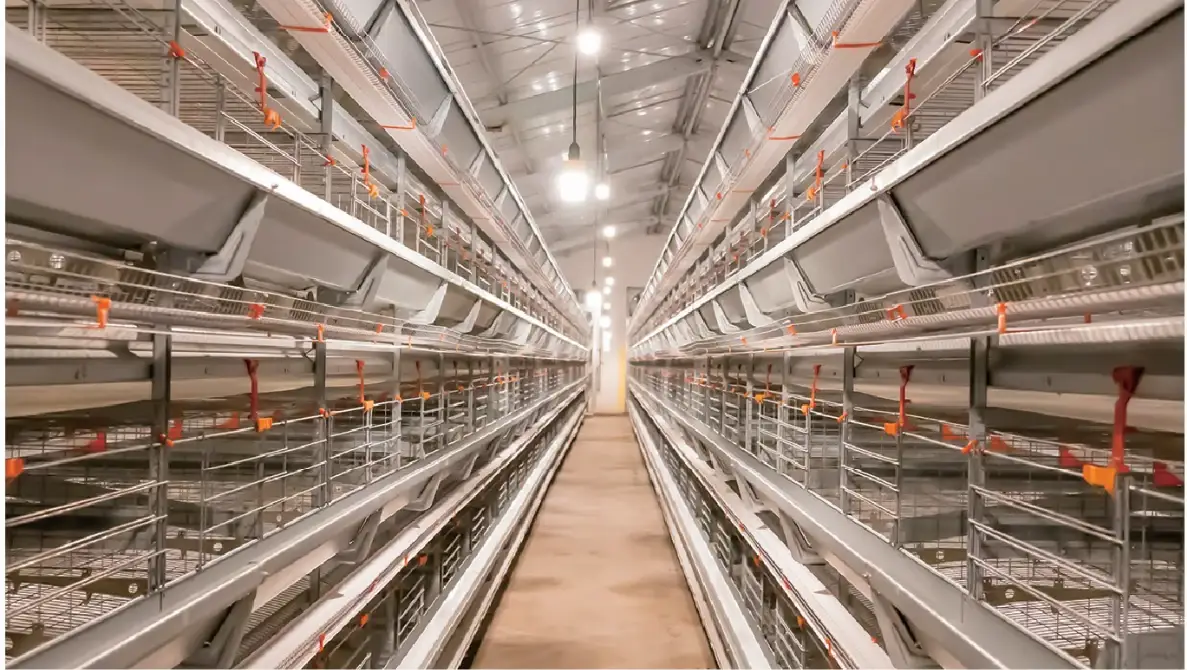
In an H-type layer cage with four or six tiers, a row of lamps hung down the middle of the ceiling leaves the lower tiers in the shadow of the ones above. Birds in dim tiers behave as if the day is shorter, and the flock lays unevenly for reasons nobody can find on paper.
What helps:
- Lamps between the cage stacks, not only overhead, so light reaches down the face of each tier.
- Measure it. A cheap light meter, read at bird level at the top, middle and bottom tier, tells you more than any calculation.
- Keep lamps clean. Dust in a poultry house takes a surprising amount of light out of a fitting.
- Replace failed lamps the same week. A dark section is a section of birds on a different programme.
Let the controller run the programme
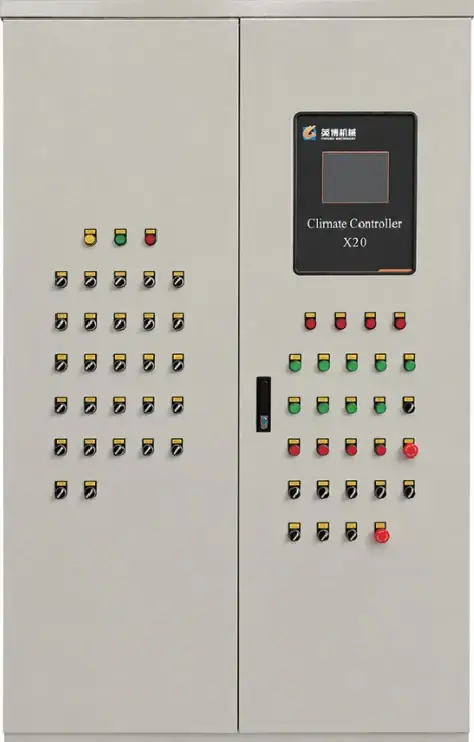
Hours and intensity through the cycle belong on the environment controller, which runs the light curve alongside the temperature and minimum air volume curves. Two things to watch:
- Dim up and down rather than switching, if the system allows it. An abrupt change startles a house.
- Check the clock after every power cut. A controller that restarted with the wrong time is running the wrong light day, and it will not tell you.
There is more on curves and settings discipline in what an environment controller actually does.
The rule to hold on to
Never lengthen the day for a growing pullet and never shorten it for a hen in lay. Changes in day length are a signal to the bird, and inconsistent signals cost production. Write the programme down, follow it, and record any deviation with the date.
Tell us your house type, tier count and fan openings, and we will tell you what light-trap sizes fit and where the lighting needs to sit.